No.016
Notes from My Zodiac Year — the First Print of My Straw Sandals
Translated from the Chinese read the original
Preface
“Past a certain age, life becomes little more than a process of continual loss. The things that matter to your life begin to slip from your grasp, one after another, like teeth falling from a comb. And what lands in your hand in their place is a run of worthless imitations. Physical strength, hopes, dreams and ideals, convictions and meaning, the people you love — one thing after another, one person after another, they quietly vanish from your side.”
——— Haruki Murakami, 1Q84
There is the poem Qingping gave to Wang Lianhua: Look up from the branch where Li Bai gazed — the flowers open and keep no count of years. Sun and moon float in the cup; beyond the tower lies the blue sky. When a person falls into memory, it plays like a film by Wong Kar-wai, that poet of time: no plot, all details. When we recall the past we can rarely recite it start to finish; what stays is usually only the fragments seared into the heart and branded on the body, warm or stinging, freezing and enlarging with every flashback.
In my twenty-fourth year I went to concerts for the first time in my life — from RADWIMPS to 汪苏泷, Yuki Kajiura, Hiroyuki Sawano, and on to 米津玄師, who sang my song of the year, “地球儀.” Music flowed through my world and became the consolation of that life; when inspiration ran dry I would hide myself inside it, as if memory were welling up, listening to a summons from far away.[1]
As Shi Tiesheng said, those melodies are like so many different lives — they do not ask you to listen; they ask you to look. The soul’s listening reaches far, and that must wait for autumn; the young singer can hardly take it all in. For now, look: see how radiant this beautiful form is, see how unstoppable this formless instinct, see how a gifted talent gives voice to all this blazing spring. In this year, at half past seven of a life, I kept asking myself: how should the melody of your life be scored from here — and what kind of life do you mean to live?
If some kindred ear would deign to hear me, I would not decline to sing the whole of the Sunlit Spring.

Spring • Embers on the Equator • Let the Late Light Linger Among the Flowers
A year ago, before the spring equinox, I clutched a thin boarding pass and landed once more on an island at the edge of the equator. The instant the cabin door opened, the humid wind, freighted with some viscous expectation, set the hem of my March coat rustling.
In my arms I carried a brand-new, razor-sharp Hasselblad, its anodized aluminum edges giving off a cold glint that mirrored the sawtooth outline of the palm leaves. It had set out from Shanghai and come to rest in my palm like a die cast casually by fate; from here it would pass through twenty-four pairs of hands, drift for three hundred days and a hundred and fifty thousand kilometers, filling up along the way with the mornings and dusks of other people’s cities.
Through that last week of March, the Singapore sky seemed to have forgotten how to mix its colors, wearing always a film of grey-blue, as if someone’s breath had blown away its last bit of living light. I had all but given up on catching a sunset — without those surging clouds of frost-orange, the tropical shoreline seemed to have lost its reason to be photographed.
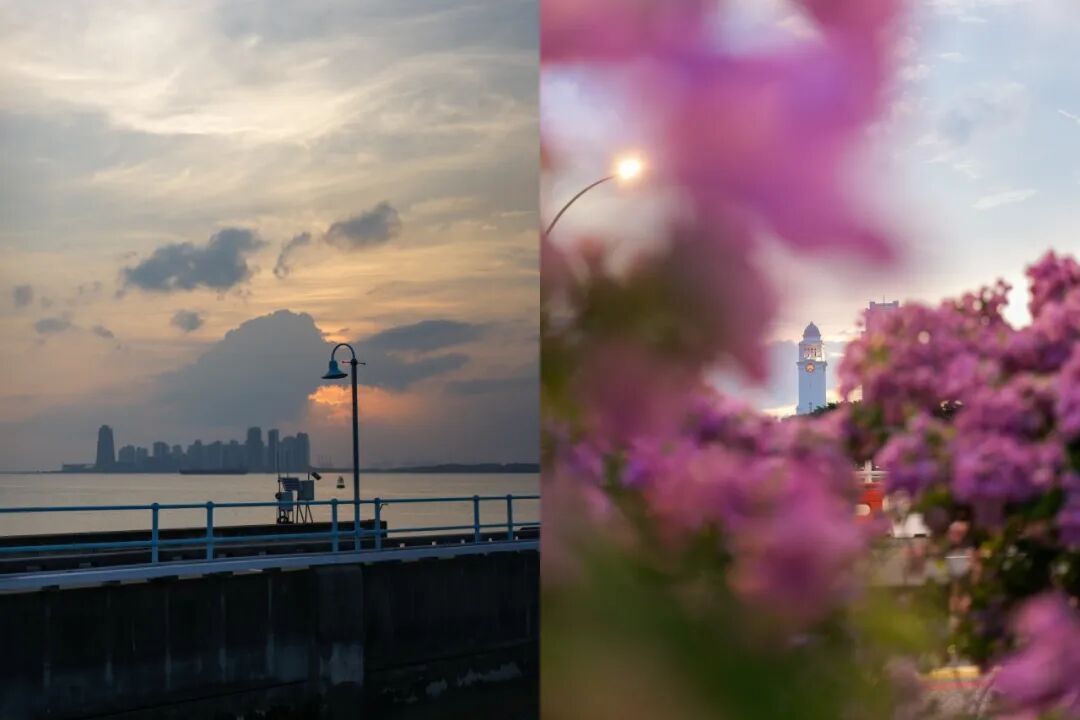
But on the evening before the camera was to be handed on, standing beside Raffles Lighthouse, I turned — call it fate — and began to gaze at the skyline of Malaysia in the distance. The stacked towers were silhouettes daubed where water meets sky, and in the center of the viewfinder stood one solitary street lamp. For no reason I could name, the clouds at the horizon suddenly let through a thread of light, like a soft bulb under a lampshade, quietly postponing the night a little — I pressed the shutter and froze that slice of a life into permanence, and so there came to be this photograph that stood for GMT+8.
All through the year, photographers scattered across the time zones would gather late at night in the Camera Drift group to argue composition and light, sharing the sunrises and moonsets of their own cities, hunting in the drift for an anchor of collective memory. Thanks to LKs’ exquisite ingenuity, his project management and editing speed, at the end of February I saw, in the finished film, that frame of dusk that belonged to Singapore — one of the most rewarding moments of this whole year and more as a participant. To have taken full part in a project of this stature in the last hours of my student life is both a perfect close to those studying years and a heavy stroke of ink in my life. After the surprise and the dreaminess, I feel I did not disgrace the errand.[2]
As LKs says at the end of that episode, the human genome carries forward a soul that must explore the unknown; that pioneering spirit inherited from the age of sail has found, in a project like this global drift, its true cultural footing — a work fit for the annals of independent media, and an extremity of romanticism belonging to LKs, to the twenty-five stationmasters, and to everyone who loves a camera.
The signature at the bottom of my WeChat Moments quotes The Greatest Showman: “This is the world of Barnum and Bailey.” A world where banks will not take happiness as collateral, where newspapers never write about art, where mockery charges admission and human warmth is forever going cheap — but the circus needs no roof, love can lift into the air, and photography is enough to cross time.
Thank goodness there is still photography in this world.
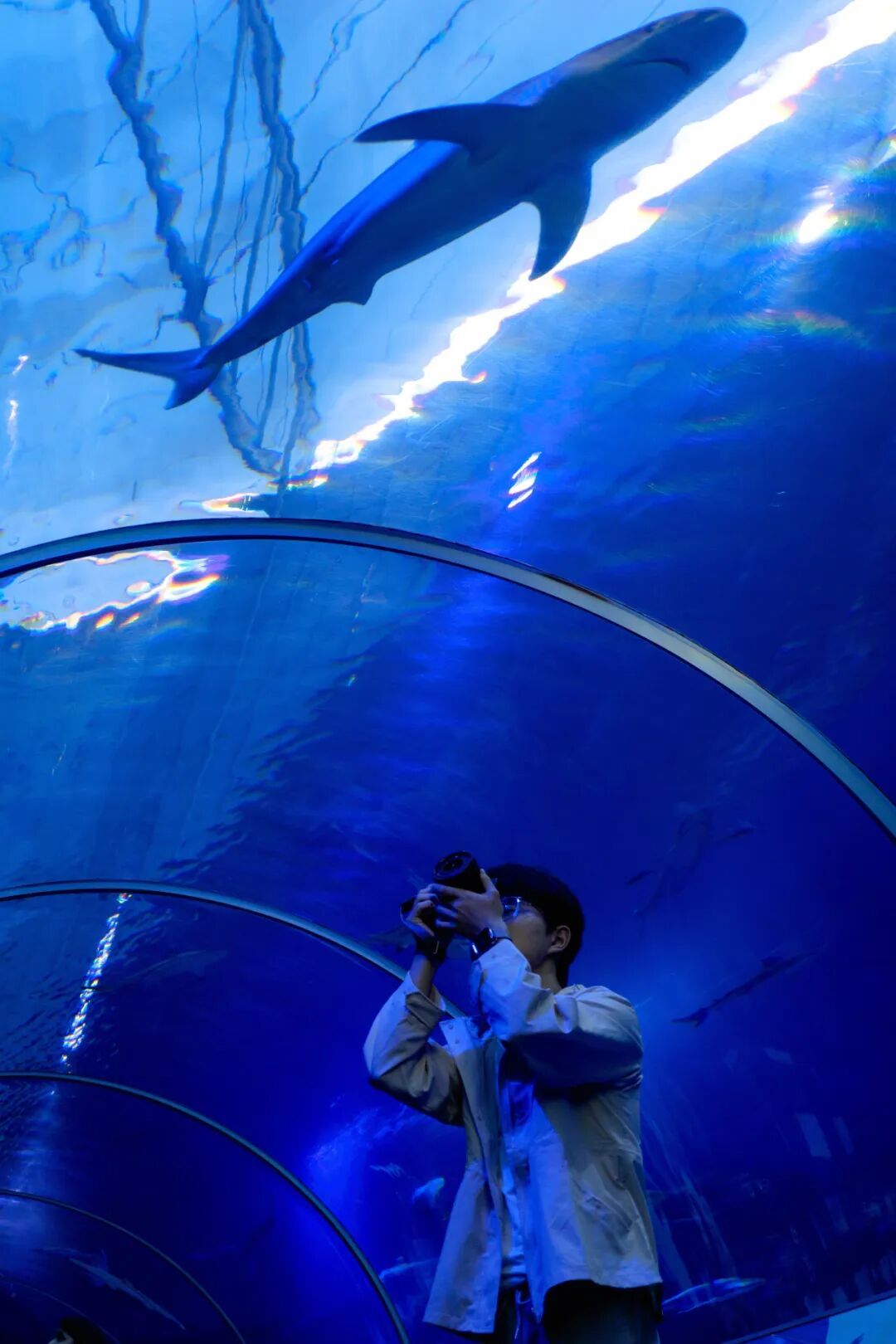

Summer • A Cynic’s Tassel • The Plantain Unfurls Not, the Lilac Stays Knotted
At my bachelor’s graduation I said that one can never possess youth and the feeling of youth at the same time; that youth is in truth a museum forever under expansion, in which we fall silent, bow our heads, and keep mounting our present selves as specimens, left for some future backward glance that will catch us unawares.
At my master’s graduation I wanted a single sentence to close out six years of university: I was an undercover agent from some 1980s faculty of letters, straining with one hand to dance the long sleeves of worldliness while the other reached for stillness and roundedness of spirit.
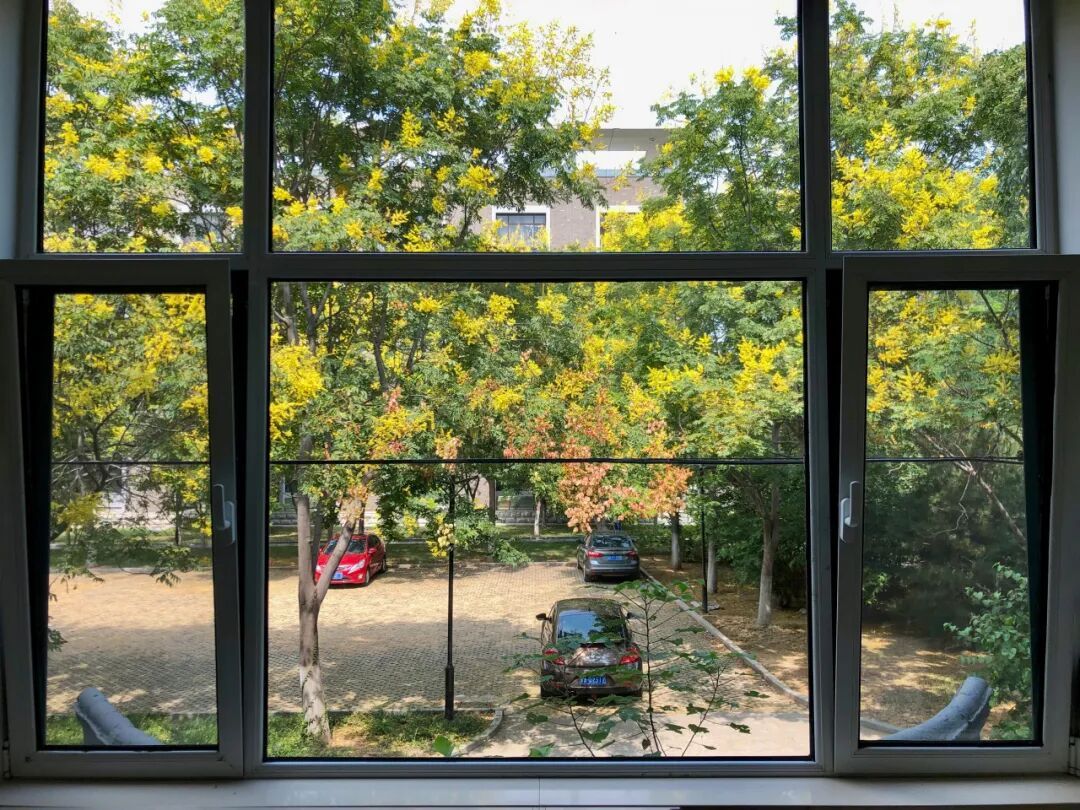
Even in my second year as a business master’s student, the sense of dislocation would not lift; somewhere at bottom, it seems, I never did assent to the identity of a business student.
When I began the double degree and the internships I was all coiled ambition, grinding without pause, hopping tracks from one internship to the next; but when I finally reached the end of that road, what I found was a procession of students pledging allegiance to an abstract Other and drinking deep of their own reflection. They put on their bespoke suits early and threw themselves en masse — into the value transfers of the primary market, or the report-hauling, translating and recombining of the secondary; into strategy consulting’s brand endorsement and boardroom counterweights, or management consulting’s high-priced disposable human battery packs.
The meritocracy and elite air that soak a business school to its pores made the idleness at the bottom of me look out of place. Leafing through my camera roll, I found I had hardly photographed a single slide beyond examinable economics — whereas in undergrad, in Professor Chunfang’s Introduction to Linguistics and Professor Yueshan’s Japanese Culture, whenever a passage delighted me I would photograph it to keep.
What comes back to me now is a course from the spring of 2019 in the Faculty of Letters, Readings in Qian Zhongshu’s Scholarship, taught on the first floor of Block C of Zhixin Building — my favorite classroom of all my student years. On March afternoons, the lingering chill of a Jinan spring could not keep the brightness from spreading in at the windows; soft light and shadow wrapped that springtime of “gossamer everywhere, and willow-down falling” and spilled across the desks by the window. I would watch a few long-haired girls stride toward Jiangzhen Library carrying fruit cups and Shandong University tote bags, knots of boys fresh from basketball swinging their backpacks, a silver-haired professor pedaling an old bicycle down Kesheng Road — and faintly, I could smell wet earth and young grass.
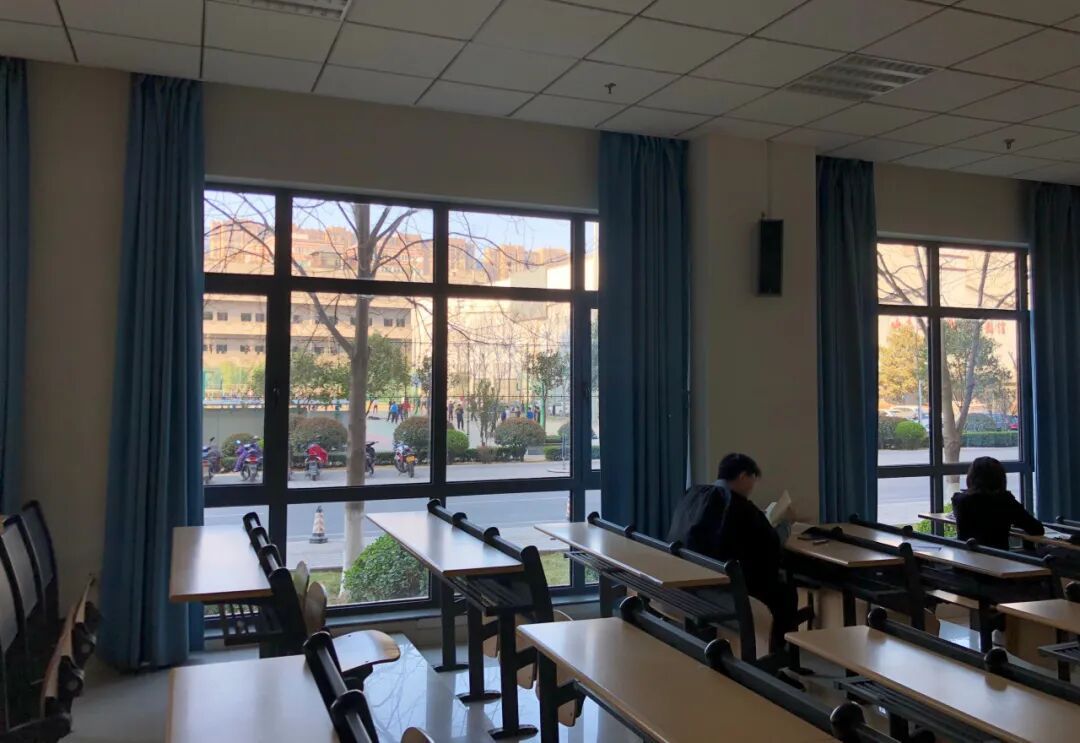
The course was in fact an elective for graduate students of the Faculty of Letters; only because the registration system was loosely fenced did an outsider like me pick it out of sheer interest. At the first trial lecture, a good hundred-plus came surging in on the fame of Mr. Qian; I sat among the crowd with a high fever and an IV drip, straining to photograph the few slides I loved. But as the biweekly sessions went on the room thinned and thinned, and when the course closed only three of us had passed: myself, a bookish lolita from the Wen Yiduo class, and a short-haired little scholar from the Nishan Academy.[3]
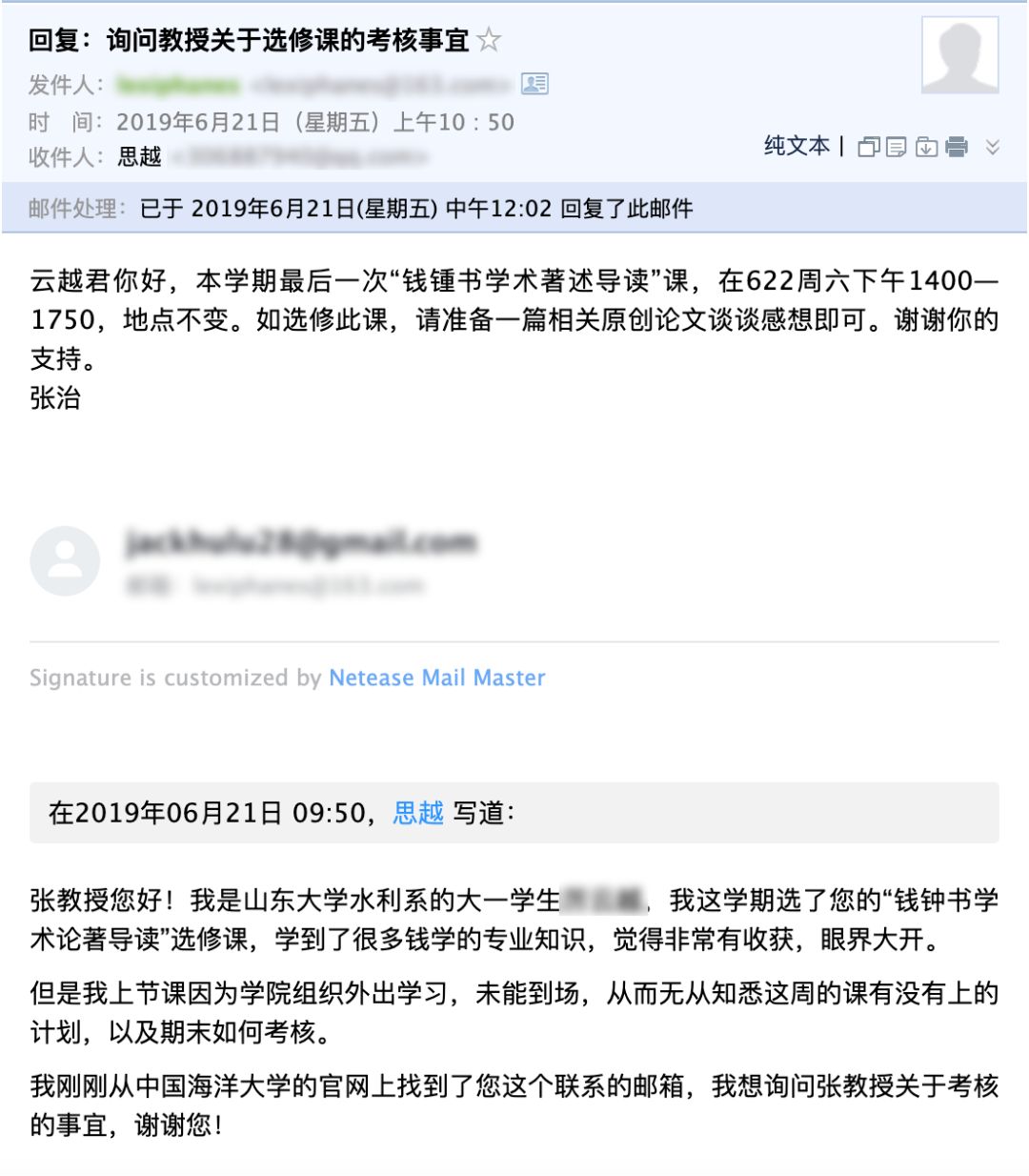
Professor Zhang, up at the lectern dismantling the Guanzhui Bian, seemed a walking modern footnote to “poetry may be used to complain.” In a certain sense he was the self of my daydreams: he had crossed over from mechanical engineering to Peking University’s Chinese department, knocking open the vermilion gates of the first faculty under heaven. I, meanwhile, had walked out of the tender verse-lines of literature and stumbled into the mirror labyrinth of Borges.
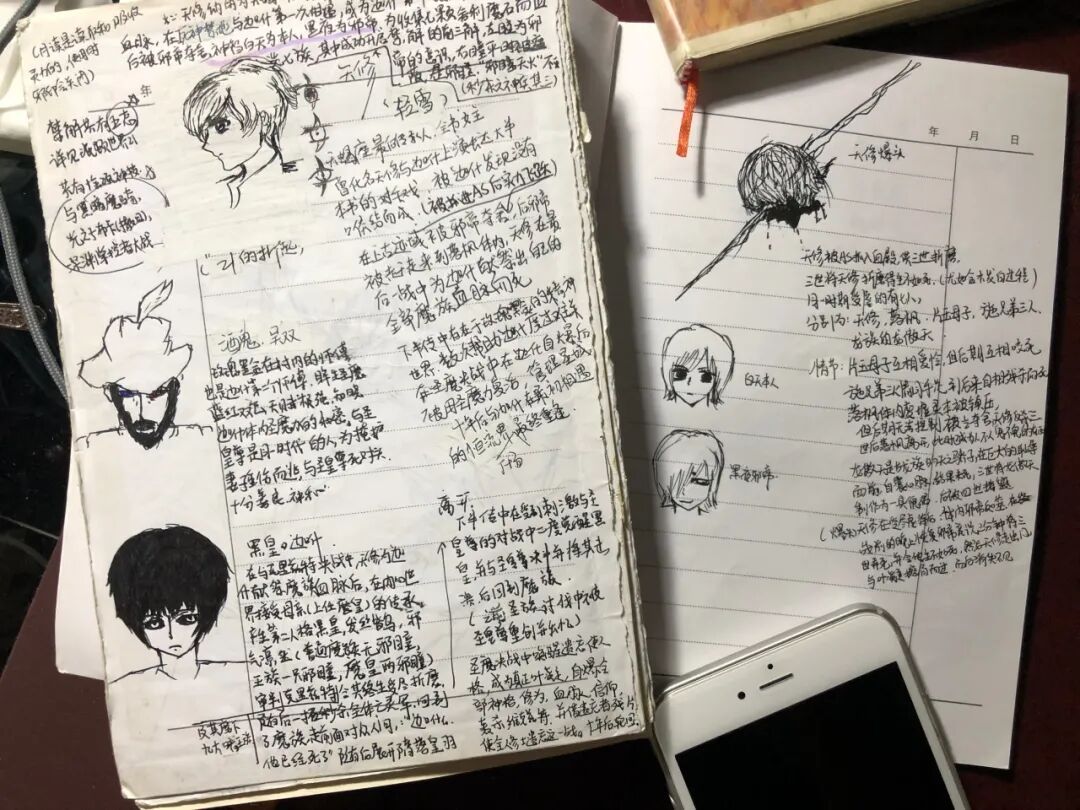
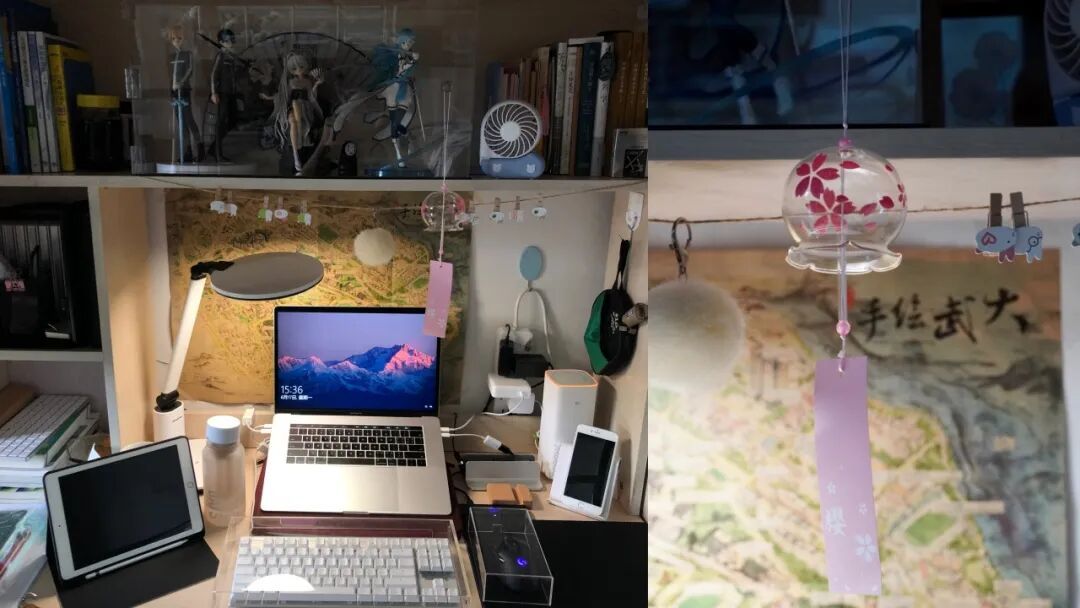
I still sometimes leaf through the novel outlines and world-settings I wrote on the backs of scratch paper in primary and middle school (the picture below is a creation from a first-year math class in senior high). Crude and childish as many of those conceptions look now, they were written day and night on a surge of creative fever I could not hold down. I wrote pulp heroics, I wrote scar literature, I wrote existentialism, I wrote my understanding of the absurdity of this world; I loved sinking into the world of a novel, watching the people under my pen walk out of the outline drawn for them and toward their appointed ends.
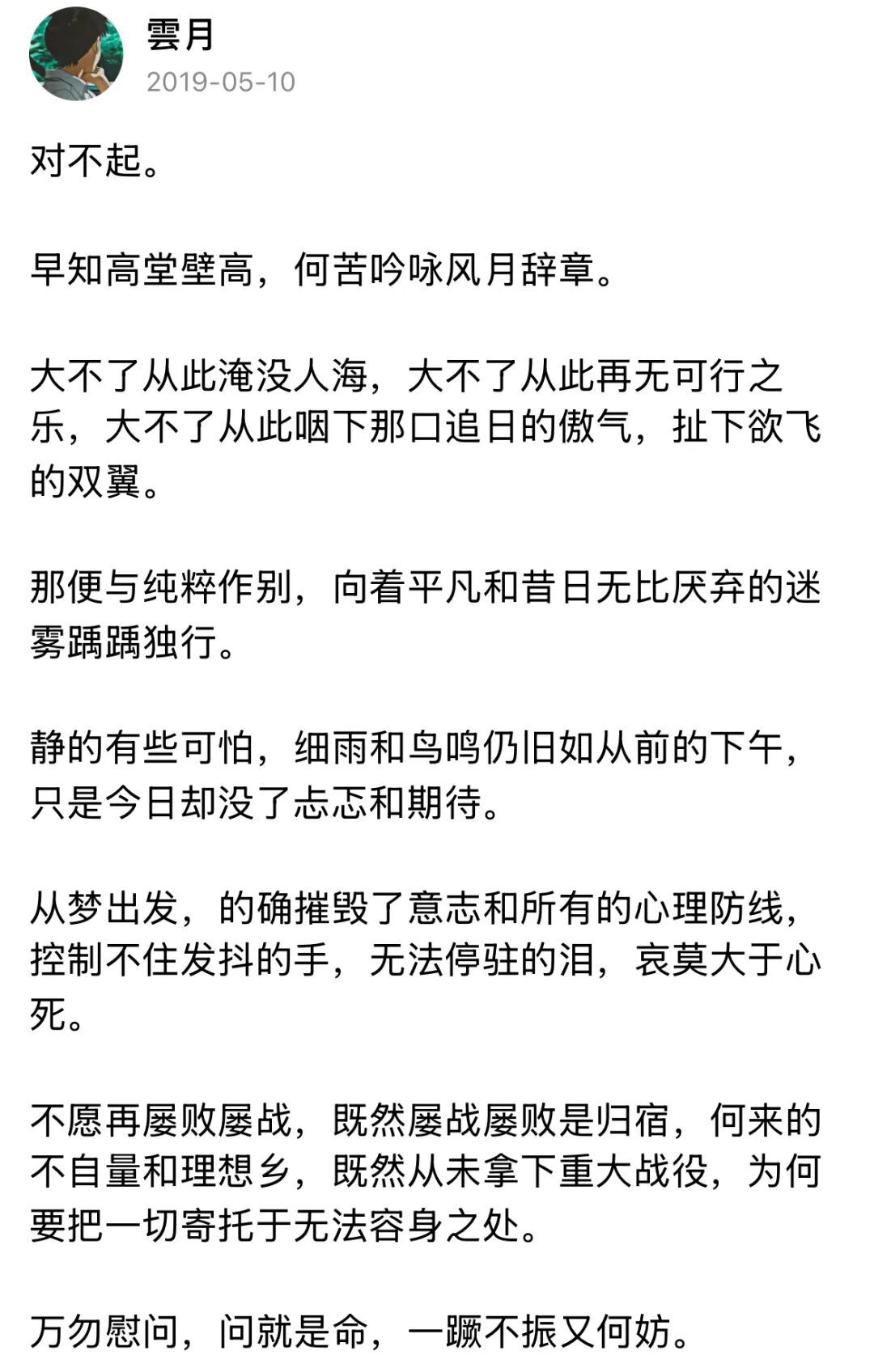
When I left literature and idealism, I believe I loved them still — and I chose business anyway, and spent more than two years preparing for it. Looking back, it was anxiety that ran the choice. I was anxious that literature might make me hard to keep alive in society; I worried I was too much a castle in the air, clueless before social reality; perhaps an apprenticeship in the ways of merchants, however secondhand, would patch my deficits — like all those verdicts people passed on me in my school years: a bookish temper, easily moved to joy and grief, unversed in the ways of the world… But slowly I discovered that whatever had been singular about me came from precisely those things — the unbridled fancy, the leaping vividness, the brocade heart and embroidered mouth… those fine-grained expressions were, all along, the cornerstone of my personality as a literary youth. The day I truly discard them may be the very day my individuality withers. Perhaps a person ought to cultivate what is most alive in him rather than forever patching holes and binding himself to the rule; that only carves a well-rounded figurine of prudence — and that is not me.
A few months ago I was rotating through the brand department. Many colleagues around me held graduate degrees in literature or film; the top-scorer elder sister at my right hand, after leaving Peking University, had chosen a social-science master’s all the same. Some people, it seems, at node after node of a life, keep choosing the “free and useless,” turning off into what Brodsky called the lesser temple. And I — I hover, uselessly hover. I admit I am a coward: the nearer I come to what I truly love, the more afraid I am to let go and chase it — afraid that once I truly begin, I will not love it as much as I had imagined, will not have all that overflowing wit and feeling, and that every expectation and fantasy will shatter against my own powerless groping. This cowardice is like a wisdom tooth grown inward: dreading that literature’s cold gleam will scorch my mediocrity, and dreading equally that when the tides of commerce strip away every figure of speech, what lies bared will be a solitary soul that long ago lost its speech.
Even back in the Japanese department I was only a student too pleased with himself — skipping classes on pleaded illness to intern in Shanghai, GPA trailing the class; the more a course ran on accumulation and recitation, the lower my score, and the more it asked for a spark of understanding, the higher; I hadn’t read many Japanese originals, and I fell often into a grand nihilism. But I have never forgotten those moments, flashing past as I came and went through the School of Foreign Languages, when the blood suddenly ran hot. The business school never had those.
These past few years I have lived exactly this cynically: the longing for literature still smoldering, apparently thriving in business like a fish returned to water, my soul growing shabbier all the while. If I had to figure myself as a month, I think I am April. April, to the writers, is so divided a thing: Eliot opens The Waste Land by sentencing it “the cruellest month,” forcing lilacs out of the dead land, forcing us to face the strangling of memory and desire; Arakawa Naoshi, in Your Lie in April, lays down railways drifted with cherry blossoms and lets a boy bury unsent love letters in the piano keys; Lin Huiyin insists that April is “tree after tree of flowers opening,” the love of swallows murmuring between the beams. April was always a fold in space-time — the Buddha awakened in the month of Vaisakha, Christ suffered in Nisan, King Zhou of Shang burned himself in the month of the locust tree — and I heard two voices inside my body correcting each other: now I became Sisyphus shouldering his stone uphill, now the old fisherman Santiago chasing his great fish, printing and reprinting the outline of myself along the fault line between the real and the ideal.
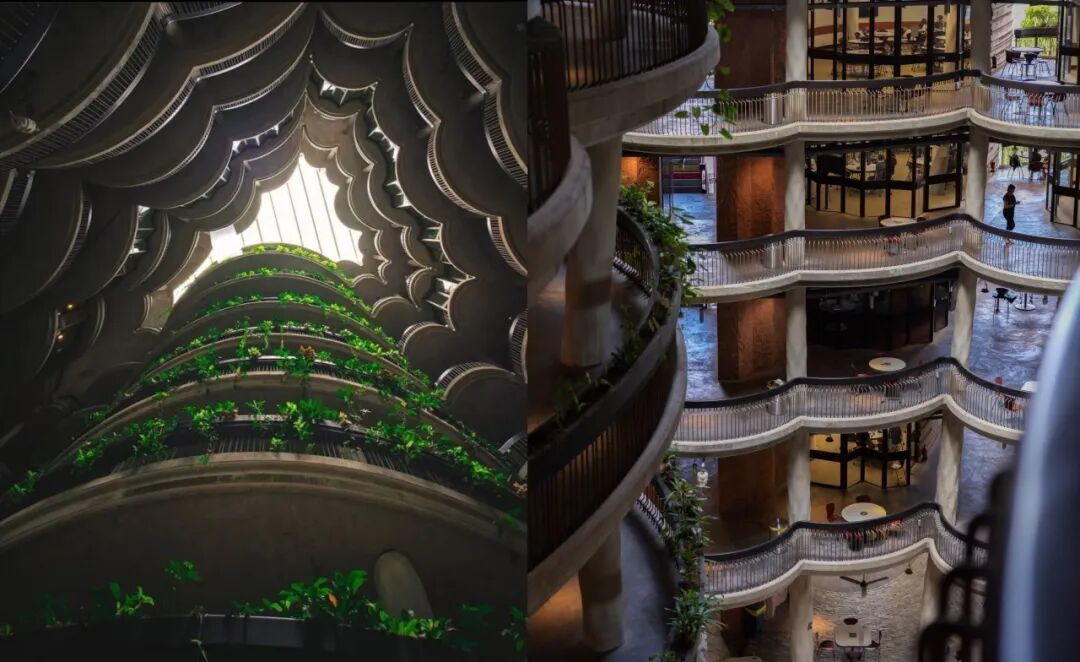
At the end of May in my twenty-fourth year, the Singapore downpours began their frequent visits. The afternoon I finished my last paper, Household Finance, I handed in early as always and walked out of the room — and realized, all at once, that my student life was over; for a long time to come I would be parting ways with exam-driven problem sets. My step lightened. Hugging a stack of last-minute review notes, I walked the familiar commute through campus under the covered walkways. Fallen rosewood blossoms laid a red carpet behind me; the glass curtain wall of the Lee Wee Nam Library mirrored the hurrying figures, like a last-century film drawing its curtain. By the time I passed GAIA, the sky’s edge had taken on a fine blue-grey; the business school’s glass walls lit up warm, window by window, rain running down the building’s ridgelines and washing the school’s signage to a blur, patches of light swimming over the fallen leaves. And suddenly, as after that first semester when I had survived four heavy mathematics finals, the relief broke over me all at once — I burst into helpless delight, firing off a burst of shots at a xiaolongbao in the rain, impatient to declare that I was taking my leave of this island where I had never once felt I belonged.
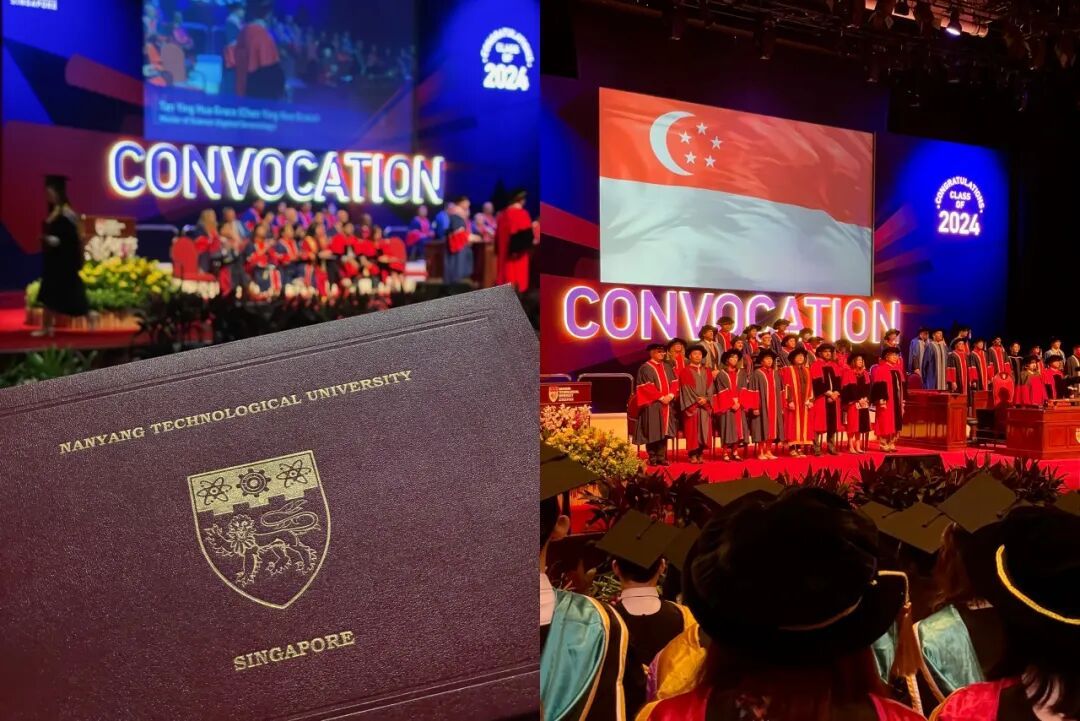
In June the graduation songs rise; post-house after post-house down the long road. At the height of summer I returned to the Lion City for commencement. I walked up from the edge of the stage of the Nanyang Auditorium in a daze; the Chancellor’s gesture, turning my tassel, was like a sickle taking a field of wheat that had grown too freely, mowing my twenty-four years of studenthood off clean. I heard some people cheer and some people weep, while I counted the black lenses at the far end of the hall. As the master’s tassel swept past my brow I was suddenly jealous of the Tang dynasty examination men — their honors were carved into the Wild Goose Pagoda, while our diplomas sink into the depths of a server. Why is it that at festivities like these I cannot keep down Qian Zhongshu’s venom in Fortress Besieged: “This diploma, it seems, performs the office of that leaf over the lower parts of Adam and Eve — it covers shame and wraps ugliness; one small square of paper can hide all a man’s hollowness, shallowness, and stupidity.”
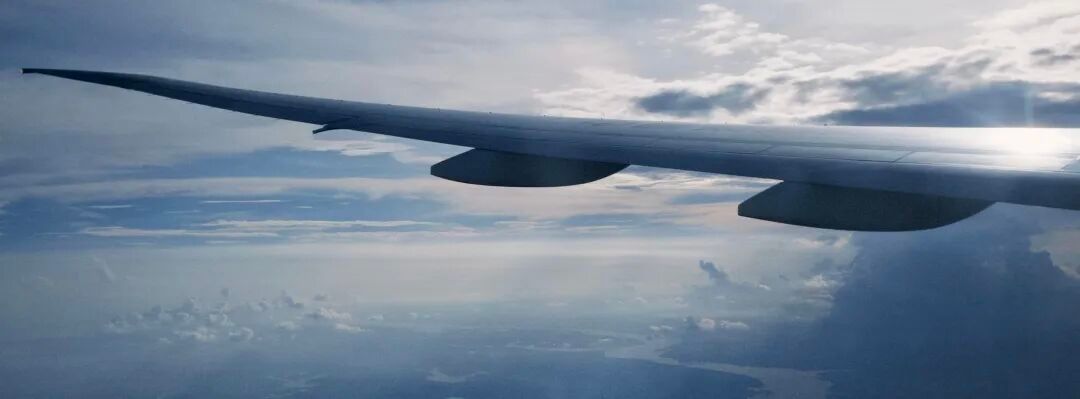
Carrying the gilt-stamped degree down the long gallery, the floor-to-ceiling windows slicing tropical sunlight into lozenges of light, I overlapped, for a dazed moment, with an afternoon five years earlier at the Hongjialou cathedral — back then I often read novels under the purple-leaf plums, petals falling between the pages like punctuation scattered in passing by authors from other times as they crossed my world. On the flight home the clouds were like crumpled xuan paper; the wing cut through the dusk-haze, cut day from night, cut the student me from the office-drone me.

Autumn • The Wound of Babel • By Now It No Longer Feels New
Before starting the job, I practiced knotting a tie in the mirror; the silk sliding under my fingertips felt like stroking a skin a snake had shed. The knot sat a few millimeters below my Adam’s apple, like a noose fitted to youth. The outline in the mirror reminded me of the secretary-general in Hanzawa Naoki — the man who, while calculating his political maneuvers, would bend down and prune a black pine bonsai with great care, binding its too-exuberant branches into a deferential fan. And here I was, binding myself with silk.
The glass curtain walls of the Caohejing office towers refracted countless warped suns; in the Line 9 metro the crowd — immaculate makeup, tailored suits — rode in silence like a moving forest of steles, as if I had strayed into what Lu Xun called the “formation without an object.” Inside those young bodies wrapped in lululemon, Arc’teryx and Ralph Lauren, a homogenized anxiety was being secreted; perhaps there is no essential difference between these people, who will click into their state of arousal within the hour, and the assembly line that manufactures the iPhones in their hands.
At moments like that I think of my summer internship at CITIC four years ago: a private-fund manager was presenting his return curve and drawdown control since founding in 2013, while I sneaked glances at 1point3acres on the office Wi-Fi. The career paths that set my blood alight in sophomore and junior year look now like the tech tree pre-written into Civilization VI — whether you pick “IB→PE,” “research→fund manager,” or “consulting→corporate strategy,” the final boss is the same layoff email, arrival time unknown.
I am very fond of a scripture from the League of Legends player Deft: “The only thing I know, the only thing I’m good at, is League. If I can’t succeed at the thing I’m best at, I don’t know what meaning my life could have.” Before my first-year autumn-recruitment interviews that line gave me a fierce sense of destiny; back then I believed that with the courage to start over, the Babel tower of the ninth art would carry me to the far shore.
On Christmas Eve of ‘24 I wandered the banks of the Suzhou Creek alone with my camera. The sunset dyed the water rust; a freighter’s horn startled egrets over the poplar crowns. I found a little bar on Shimen Er Road — my secret hideout from two years before, when I interned at Riot. Through the floor-length window I watched the traffic on the elevated highway weave capillaries of light, the lamps refracting in the whiskey’s sphere of ice. When I pushed the window open, the river wind slipped into my collar carrying a line from the book I was reading, Hear the Wind Sing: “We are wandering inside time — from the birth of the universe to its death.”
Wandering, I began to drift through the roads not taken: the ginkgo outside the Chinese department’s window, the exchange application for the Japanese major, the LeetCode weekly-contest code never submitted, the nested formulas of IPO spreadsheets, the trainee journal from the Mount Tai pumped-storage power station… How did these moments, so unrelated to the eye, end up composing a life? I have always been an utterly nihilistic existentialist, an utterly practical idealist, an utterly rational sentimentalist, an utterly optimistic pessimist. Those instants could make me happy precisely because, in the present, we always carry every possible self with us — the way migratory birds carry the four seasons.
Up close, nothing is grand.

Winter • The Unfinished Poem • Watching One Star Like the Moon, a Long While
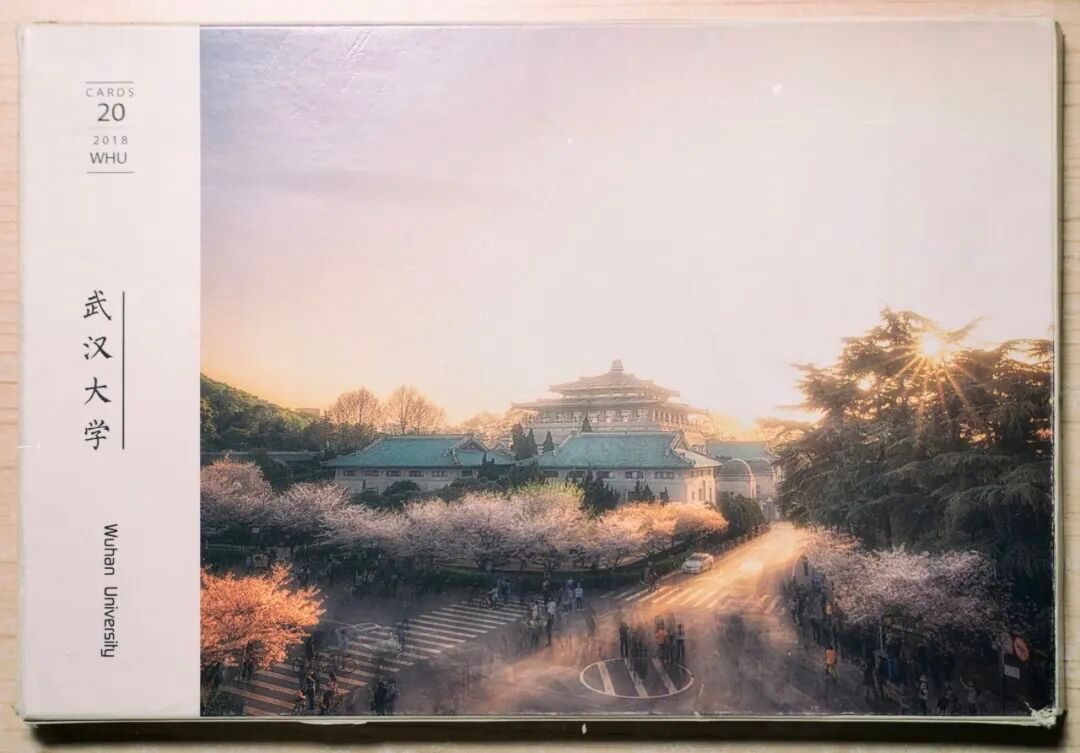
At the end of December I sat in a classroom at Jiao Tong University and, to the drone of the central-heating panels, opened — with a certain solemnity — the sealed envelope of the class-of-‘25 graduate entrance examination stamped with the crest of Wuhan University. As my pen came down I watched its tip bleed a small halo of ink into the paper.
Three hours per paper was an abundance that left me at a loss; my thoughts floated up toward the ceiling, and as if standing outside my own body I surveyed, calm and detached, this young man impersonating an examinee. The essay question in comparative literature was like Proust’s madeleine, softly covering my eyes, and everything about Wuhan University began flashing back: at eighteen, when the rejection letter from independent admissions arrived, the cherry blossoms of Luojia Hill were rotting inside the envelope; at twenty-five, here I was gripping the same model of Pilot gel pen I had used to sit the gaokao for Wuhan seven years earlier, performing a kind of ritual mourning on behalf of the self I used to be.
My friends all know my standing as a veteran Wuhan-University devotee. Though I had visited only twice, in my last year of high school I imagined one scene countless times: winter, walking the Cherry Blossom Avenue to Kunpeng Square, breathing out grey-white fog under the street lamps. This was never Shandong University treating me coldly — it was that I had never, from the beginning, loved my own alma mater all that much, bachelor’s or master’s. “Waking by the lamp from a dream of Jiangnan; rising in melancholy to a slanting mountain moon.” I no longer remember which night of first semester, freshman year, it was — sleepless, I sat up in the top bunk watching the autumn moon over Jinan, faintly hearing from the Xinglongshan field the shouts of men that belong only to an engineering campus. A vast unreality, half dream half waking, broke over me: if I were at this moment on Wuhan’s Ao Field, or in its Old Library, what kind of four years would those be?
From my senior-year interview and a sophomore cherry-blossom season, the impression Wuhan University left me was an anomaly among the 985s, most of which deserve the name of oversized high schools. She has room, beyond question, for every strange kind of misfit: giant trees and lawns like a tropical park, deep and generous shaded galleries, blue-tiled buildings antique without and finely kept within, the misted immensity and eye-clearing freshness of East Lake, the freehand lyric charm that the river city keeps to itself — and, every morning, a girl standing poised on the Cherry Crest, reading her foreign language aloud. “Whose daughter is she, of the graceful red sleeves? The green-collared scholar is the life I live. Blessed to have known your peach-blossom face — henceforth the field-paths run warm with spring.” That poem by the Peking University talent might be the best gloss on Wuhan University in just this scene and mood. Here a person is allowed to be striving, or hard, or solitary, or soft, or aimlessly, contentedly idle. The main library forever hums with grinders’ intensity; the ivy of Teaching Building No. 4 and the green outside its windows thicken into a preserve for introverts to stare into space; and for the whole golden month of October the campus turns stage for art and society at once.
The small-town test-takers of the elite schools are forever dazed by freedom when it arrives all at once, paralyzed before an unknowable future. But Wuhan’s students are pastured daily in those insistently green hills; they can stand on a dormitory roof and look out over East Lake and the sleeping Luojia Hill, and griefs and grudges the size of the sky simply scatter. The future, there, is always written full of lovely intentions.
One cherry-blossom evening in 2019 I walked the Ao Field with a middle-school friend I had not seen in years; she has since entered the Ministry of Foreign Affairs. On my last afternoon at Wuhan, a childhood friend carried me around East Lake on her scooter. The lake was blue to purity, blue to depth, blue to a tender serenity — and I felt my soul keening quietly. An irrecoverable loss struck me: the loveliest, happiest, most carefree years of my life would never now be left at Wuhan University. Having graduated from NTU I can call it my undergraduate era’s most gorgeous dream; in the workplace she confers no glamour on a team-member’s résumé. But my yardstick lies outside school titles: her five thousand six hundred mu, her seat in the city’s heart, her “Luojia Hill People’s Park.” Pressed close to the world’s cooking-smoke, yet within reach of the skyscrapers — the most perfect location a university could have. Spare me branch campuses; spare me the Californian model of multi-city schooling. Behind the old memorial arch, “letters, law, science, engineering, agriculture, medicine” settled it long ago: Wuhan University has one address forever — 299 Bayi Road, Wuhan University.
In the year-end examination hall these loose and tangled thoughts did not arrive in anything like this clean line, and yet they were exactly this felt, this true. The final paper in comparative literature was the great literary synthesis, language and philology; as ever I budgeted my time and handed in half an hour early on the dot. The two young women proctoring passed my scratch paper between them, reading the words of thanks I had left there, and each in turn gave me a faintly startled smile. I nodded, drew on my tea-brown coat, let out a long breath, and walked briskly down the stairs of the East Lower Court, leaving that piece of performance art behind.
At the end of February, before leaving for work, I opened the score-inquiry site with a grin, ready to make fun of myself — and in the instant the number appeared on the screen I suddenly understood that certain dreams might be about to break into reality; only they had come a little late, a little out of season. Startled by the unreasonably high score, I was back in 2018 for a heartbeat: the second paper of the gaokao is mathematics, and I, forever meek before mathematics, on picking up the real examination had suddenly seen through it all, striking out hard in the test-taking world I hated most, sweeping every mid-difficulty problem into my bag without dropping a point. Walking out of the room I noticed the corner of my mouth had lifted; I jogged out of No. 1 High School’s gate, one of the first students out. Meeting my father, who stood braced to console me, I said, a little bashful: “I think I’ve got a shot at Wuhan.”
The truth is that what I mourned was never the pile of old papers under the white moonlight, but the radiance shed by the chasing of the moon itself. What Wuhan University means to me, then, is the breaking of restraints — the search for that romantic rim-light around Murakami’s dark cloud, the completion of a Su Dongpo-style breakout and self-rescue.
As Borges said, a rose is at every moment becoming another rose. I am cloud, I am sea, I am forgetting — and I am every self I ever lost. The cherry blossoms fill Luojia; and though I have missed the appointment of my eighteenth year, I still hope to meet you on the far side of one magnificent death.
Postscript
Camus said one must imagine Sisyphus happy. At twenty-five I believe more and more that life is the wildflower in the interval of pushing the stone — it answers no questions of meaning, yet by its mere blooming it mocks meaning’s emptiness. It seems I have learned, in the pauses between the boulder’s falls, to eavesdrop on the duet of the mountain wind and my own heartbeat.
Before the gaokao I wrote this passage: the valley of a life lies sparse and clear — flowers greet, birds laugh, the ravine answers the woodcutter’s song, bamboo shadows drink down the last of the light; in the borderless dark one can make out the opening and closing of wings — that is the uneven flight of spring swallows; I stand in the valley, still and wordless — that is the melancholy just beyond the swallows’ uneven flight.
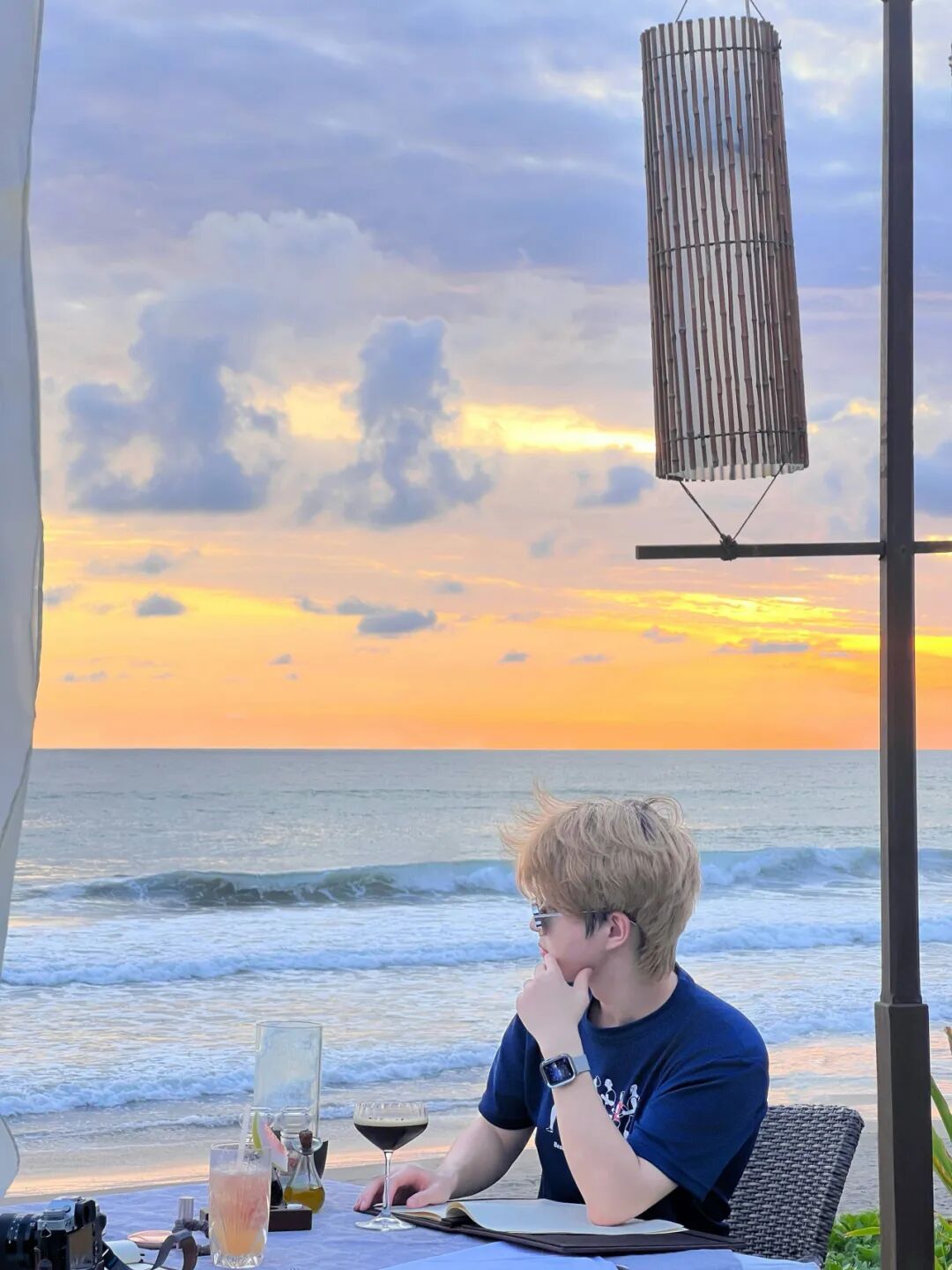
Life is full of forking roads, north and south; you head for the Xiao and Xiang, I head for Qin. Though I cannot help becoming a stray phrase inside somebody’s enormous narrative, I will still, with a Hemingway-grade stubbornness, insist on being a typo; I will still tremble at sunrise over Mount Tai, still invent, in an exam hall strewn with cherry blossoms, the literary dream of some parallel universe; still believe that between the pages there live souls more imperishable than compute.
Time for warp and events for weft, and we the shuttle; in laying on the colors, the plain ground comes first.
雲月さん、二十五歳のお誕生日おめでとうございます。
[1].
[2].
[3]. The final essay for Readings in Qian Zhongshu’s Scholarship is here: a trial essay on the 2019 Jiangsu gaokao prompt | Reading Men in a Cup, Reading Heaven Through a Tube
First published on the WeChat column “Juanmo Xuan” (2025-03-06): original