No.015
My Twenty-Third Year — One Smile, and Spring Rises on the Yangtze Tide
Translated from the Chinese read the original
Before the Text:
If time is light and a life is film stock, then each year becomes one frame on the reel. The passing years weaken the light and lower the film speed, so that on the scale of time, the share of a life each past year occupies keeps decaying, and its memories blur accordingly.
And yet through these four years since 2020, I have felt each year’s brand on my reel grow only more vivid. When I begin to recall my twenty-third year, certain unusually clear moments rise like silver ions in film reduced to a latent image — bright flecks of light fixed, indelibly, at the center of the frame.
This past year I took to carrying a silver-white retro camera, trying through the viewfinder to steal from Chronos, the god of time, certain instants I wanted made permanent. In March I gathered flowers and brewed the spring; in June the fireflies dyed the summer; in October I gleaned autumn along the rice-field paths; in the twelfth month I smelled snow on the plum branch — there is always a breath or two of this human world to fill my hundred and eight thousand dreams. This year’s roll runs a little long; if you are willing to still your heart and develop it slowly, I trust its endless details will all come into view.

Spring • One Dream at Honglou • From Now On the Scent of Flowers Visits My Sleep

More than half a year has passed since I left Hongjialou, and still, when I close my eyes, I seem to step outside my body and watch many of myself in the flowing aperture of time: the one in the summer night of 2020, sitting on a sun-warmed stone bench between purple-leaf plums and lilacs in front of Building 7, murmuring passages from the New Japanese textbook; the one in 2021, on the shuttle to a project site during a first internship, quietly listening to 《我离孤单几公里》; the one in early 2022, in an old villa where Sinan Road meets Huaihai Middle Road in Shanghai, counting maple leaves on the skylight against a pink-violet sky; the one in 2023 at the Riot Games all-hands, reverently raising a camera to photograph the old Summoner’s Cup of League of Legends; the one breathing deep in the boundless green and blue of high summer… These layered exposures form the outline of my memory of five years at Shandong University.
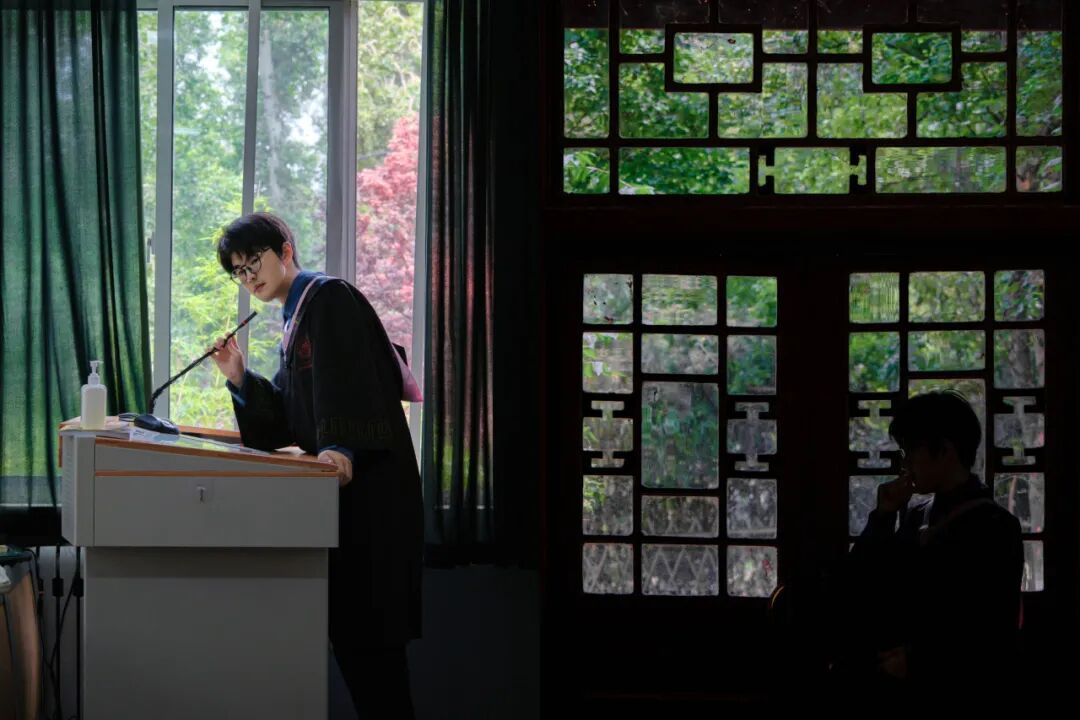
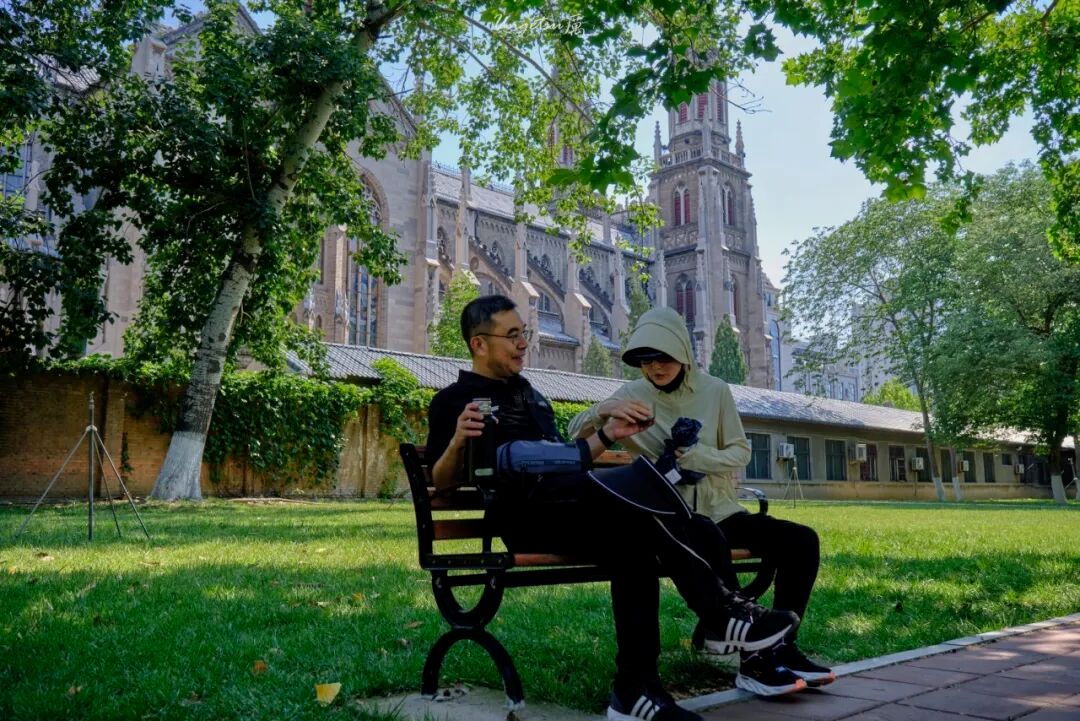
I was never, in any strict sense, a good student who loved his alma mater; on the contrary, through freshman year and my first sophomore year I flaunted a rather childish defiance, and only in the upper years did I learn to dress myself in the studied seasoning of a pig who eats tigers. And yet — after two years of scrabbling through business school, all practiced worldliness — at the grand farewell ceremony with Shandong University I still could not keep the tears back. After my thesis defense I photographed my parents on the great lawn by the Hongjialou cathedral at the west gate: pictures worth keeping for a lifetime. At the graduation gala I borrowed a junior schoolmate’s new-cohort media-photographer badge, and from inside the hall watched familiar figures take the stage one after another, making their last bows to the Zhixin Building in stage light that verged on the romantic. This parting was not a quiet one.
My bachelor’s took five years, of which only three were in Jinan in person. Yet everything tied to Shandong University still wakes at a touch: the unrestored stone footbridge below Tiangong Lake at Xinglongshan; Magnolia Road at blue hour, pure cinema; the gilded shadow of an old professor cycling past Building 6 at Hongjialou in the afternoon; snow on the dappled tree-shadows in the garden by the lecture building in winter; the food night-market below Impression City; the campus culture café I only managed to visit on the eve of graduation… Not sight and sound alone — my smell and touch too are bound deep into that not-yet-grown season of life.
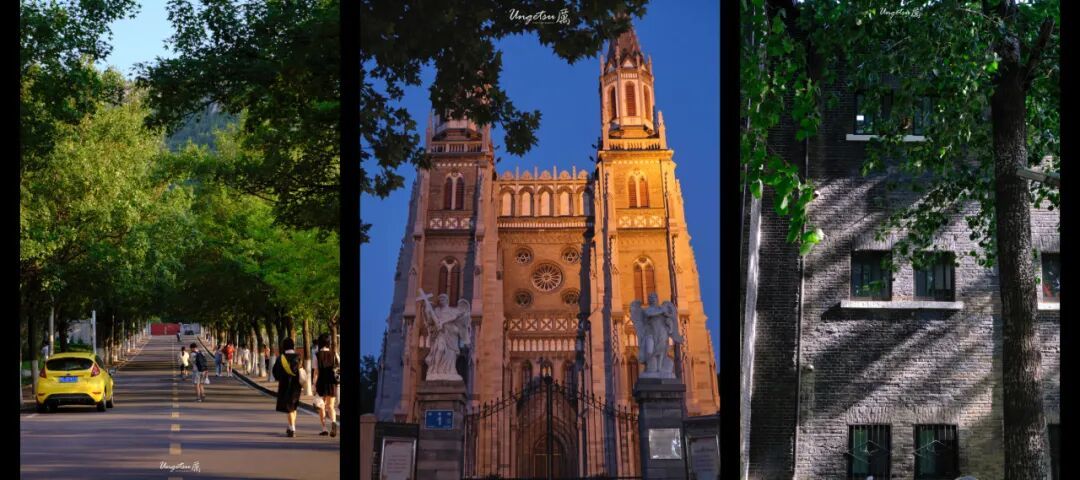
In the last month before the defense, I left Riot and returned to campus from Shanghai after a year and a half away. Trailing my suitcase through the May campus, I watched the first- and second-years — just as I once did — carrying boxed lunches and supermarket fruit cups, walking to the library under parasols. Outside the dormitory window the green shade swayed in the afternoon; a comfortable breeze carried a hint of lavender from the drying laundry. I knew the clock of leaving had begun its countdown: from this moment, everything I did at Shandong University might be for the last time.
Before graduating I had been grinding through internship after internship, more than a little full of myself, weary of campus routine and the towering ivory spire, impatient to leap the wall and make my ambitions real in finance. But at the moment I truly came back to harbor after all those sails, my nose stung anyway. “Nostalgic, I hum in vain the flute-song fu; returning home, I seem the man who watched the rotting axe-handle.” A thought arrived unbidden: years from now, even if I return to Hongjialou and Shandong University where I once lived, none of the friends I knew will be there. This garden of a place, familiar and strange at once, was like a dream almost too lovely — and at the time I took it all for ordinary.
The night before leaving, I had my last Japanese meal in Jinan at Impression City with a friend I had not seen in far too long. On the walk back to the dormitory I held my feelings carefully in check, and in the end could not hold the flood. I was astonished then that someone as even-keeled as I could lose control so completely — and writing this line now, my eyes have gone damp again.
Kazuha says: when the maple leaves turn red, partings multiply. But mine came at the turn of spring into summer — trailing a suitcase, walking very, very slowly past the cathedral lawn at the west gate, looking hard at scenery beautiful past speech, and then saying goodbye to the gatekeeper uncle of Hongjialou, who patted my shoulder and told me in Jinan dialect, laughing, to come back often.
“The river of time flows into the sea, and at last we walk our separate ways. I will remember your face; I will treasure the five years you gave.”
In this Hongjialou one can cross in half an hour, I had grown used to every blade of grass and every tree; it was only the teachers fate lent me, and the kindness and vitality of my peers, that daily gave the old teaching buildings their surging morning air — so that at the moment I stepped out of Shandong University’s gate, I was still a boy in spirit, still keeping my small, unremarkable ardor and hope.

Summer • Studying in the Lion City • Ten Thousand Miles of Paulownia Blossom on the Cinnabar Mountain Road

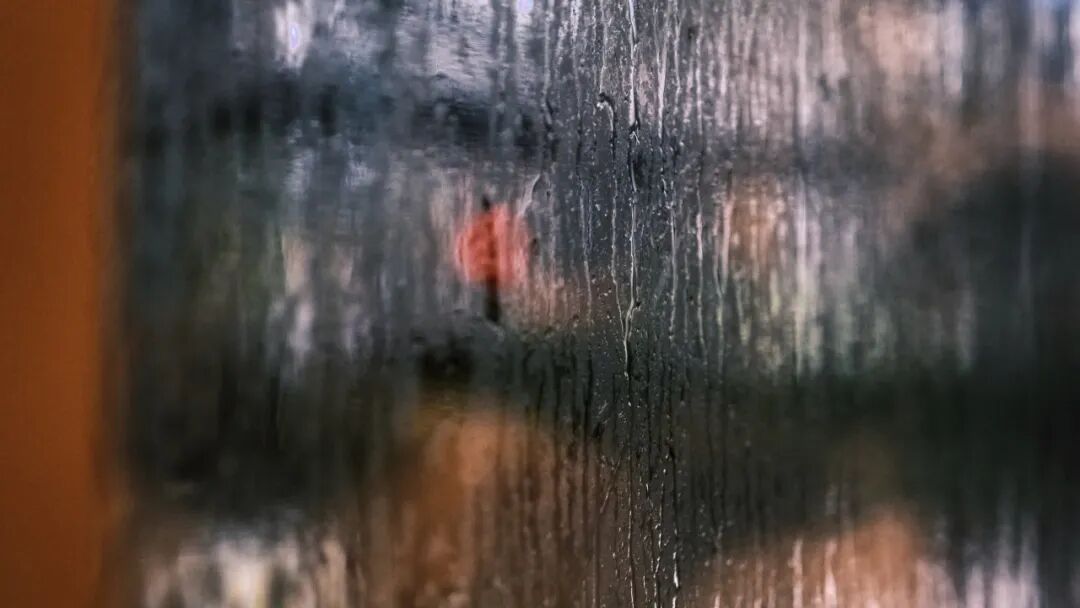
After evening class I would slump against the left rear window of the NTU shuttle, watching raindrops run down the glass and join into lines of Gaussian blur. The students’ reflections inside the bus were a sea heaving in a storm, floating over the ever-receding panorama of giant rainforest trees. In my earphones was Zhao Lei’s 《我记得》: Carrying luggage heavier than my body, I swim to the bottom of the Nile; past a few bolts of lightning I see a heap of halos, not sure whether this is the place. The bass voice and the drums seemed to be keeping quiet time with the rain. Of all my days and nights in Singapore, this is the picture cut deepest.
My darkest hours last year came at the end of July and the start of August, just after landing in Singapore. The sky-high trees everywhere, the unfamiliar ways of the place, even the custom of driving on the left threw me off balance all at once; the novelty of Changi Airport’s next-generation facilities was quickly crushed by the helpless panic of knowing no one in Jurong West.
Having given up on extending my studies and on job-hunting straight out of undergrad, I had staked all my hope on “enroll and go straight into autumn recruitment,” and so that summer my stress reached a peak without precedent in my life. The AE program lived up to its name — the coursework and the mathematics ran far harder than my undergraduate double degree — and on top of it pressed the dense schedule of recruitment: for nearly a month I averaged three or four written tests and two interviews a day. On two or three nights I collapsed onto the bed exhausted before even washing up, and when my eyes opened again it was four or five in the morning; my pupils would not focus, and staring blankly at the blurred “04:30” on the phone, for a moment I could not tell whether I was still among the living.
My days in Singapore are mostly behind me now, and the happy news is that I have developed not one thread of belonging or reluctance — in their place, a heartfelt relief. Having taken a semester of Singapore economics with Professor Chew Soon Beng, my humble view is that the aptest description of Singapore is an exquisite birdcage: citizens like well-kept canaries, hardening, step by step, the main questline of the game of life laid down by the policy planners.
From a social-science standpoint, Singapore’s extreme rationalism is in fact deeply consonant with the essence of modern economics: how to maximize social welfare under scarce resources. Because land is so scarce, every road, every retail cluster, every HDB block, and indeed every hawker centre is designed with care, and the endlessly elevated priority of public transport further secures the floor of citizens’ quality of life. At the macro level, meanwhile, the authorities have pressed on for decades with globalization and the strategic positioning of a tax haven, which has made Singapore a singular economy in Asia, led by sovereign-fund outbound investment, state capitalism, and the branch offices of multinationals (forty percent of GDP).
But regrettably, however long I stayed on this island nation, I never made peace with its year-round humid heat, and I marveled more than once — grimly — at its world-topmost prices, its lowest food quality, its mightiest higher-education marketing machine, and its most humorous climate. As a sovereign Asian state, Singapore is among the richest countries in the world; at the macro level it has turned in a perfect paper, inseparable from its singular geography, its globalized positioning, its tax-haven strategy. At the micro level, all that I, an individual, could do was flee at speed upon graduation, and not return unless necessary.
Gu Cheng says: the clock roosts in the church, placidly cracking the hours like melon seeds. Even in the still-well days of studying in Nanyang, a few seeds of time did leave their fragrance on the teeth — for instance the lesson the professionals taught us at this year’s Worlds. In November, together with the hundred-million-strong audience of League of Legends, I watched Faker return to the throne and lift his fourth cup. “A great general is born bold of spirit; at his waist lies a goose-quill sabre like autumn water.” He is, beyond dispute, the tallest mountain and the longest river. Firm beyond the robbing of his will: ten years kept like a single day of focus and purity — adapting to patches, savoring the game, hungering for the win. Through Lee Sang-hyeok I thought about how exquisitely the playwright named Fate hands out scripts: some debut at their peak, boy heroes crowned early, drawing the sword to look around and finding the heart adrift; some grind a lifetime and summit only in old age to survey the smallness of the hills, receiving honor’s gift at the end of a road of upheaval; and more spend a whole life in regret. In my Riot days I met many professionals, and like countless viewers and colleagues I kept wishing our own region had such a standard-bearer — someone who could truly, in the spirit of esports, light a fire in the numberless children watching.
On some rainy-season evenings, when the outside air fell back to twenty-four or -five degrees, I would board the green line with no destination and measure the year’s thickness on foot across this country slightly smaller than Pudong. At Christmas I whistled softly toward the freighters off the Sentosa beach; in the artificial snow of Star Vista I waved shallowly along to 《Jingle Bells》; at the New Year I watched from Marina Bay as “the east wind, by night, sets a thousand trees of flowers alight,” sighing at the romance of looking up. In those moments I suddenly disliked this island a little less.
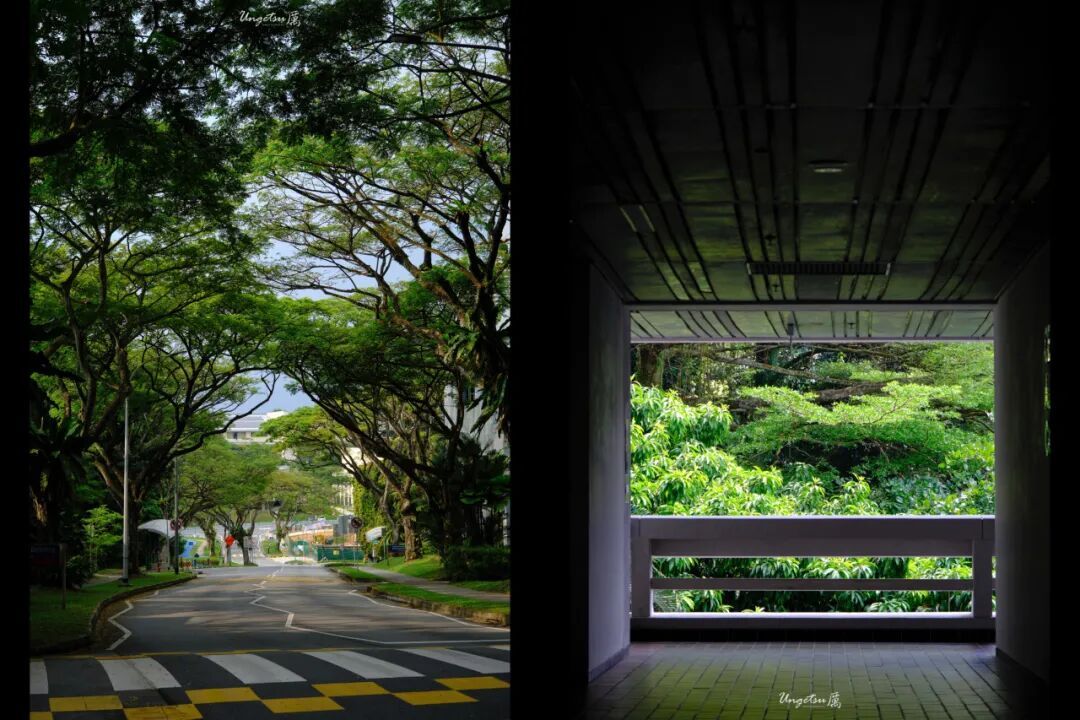
It is still too early to set a period on this NTU year, so let this section close instead with a small poem written in November:
If the world means to bury me in monstrous seas,
then I will be the lush, unending green,
toiling a hundred years, unresting all my remaining days —
with the giant trees, the harbors, the lighthouses, the setting sun.

Autumn • The Dream Offer • The Season’s Birds Find Company to Play Among New Trees

After changing majors, my undergraduate years were spent almost entirely exploring different careers. What set me apart from the many business students who hop tracks is that I was also a “traditional engineering student” climbing slowly out of a deep pit, and a “minor-language person.” The road was hard enough to bring me to the edge of tears more times than I can count; fortunately, these three years I never hurried the road, but kept feeling it underfoot. Many people and many things were lost along the way — and besides my family, the one companion that never left was the games of my dream company.
I still remember with perfect clarity the audiovisual shock of Zhongli’s 《说书人》, ink-wash and rock at once; Kamisato Ayaka dancing lightly to the piano of 《白鹭归庭》; Kazuha gathering two Visions to catch the Raiden Shogun’s single-minded blade; the Aranara of Vanarana playing together 《大梦的曲调》, a fairy tale written for grown-ups. These highlights are scattered stars, joined into the gorgeous night sky of Teyvat.
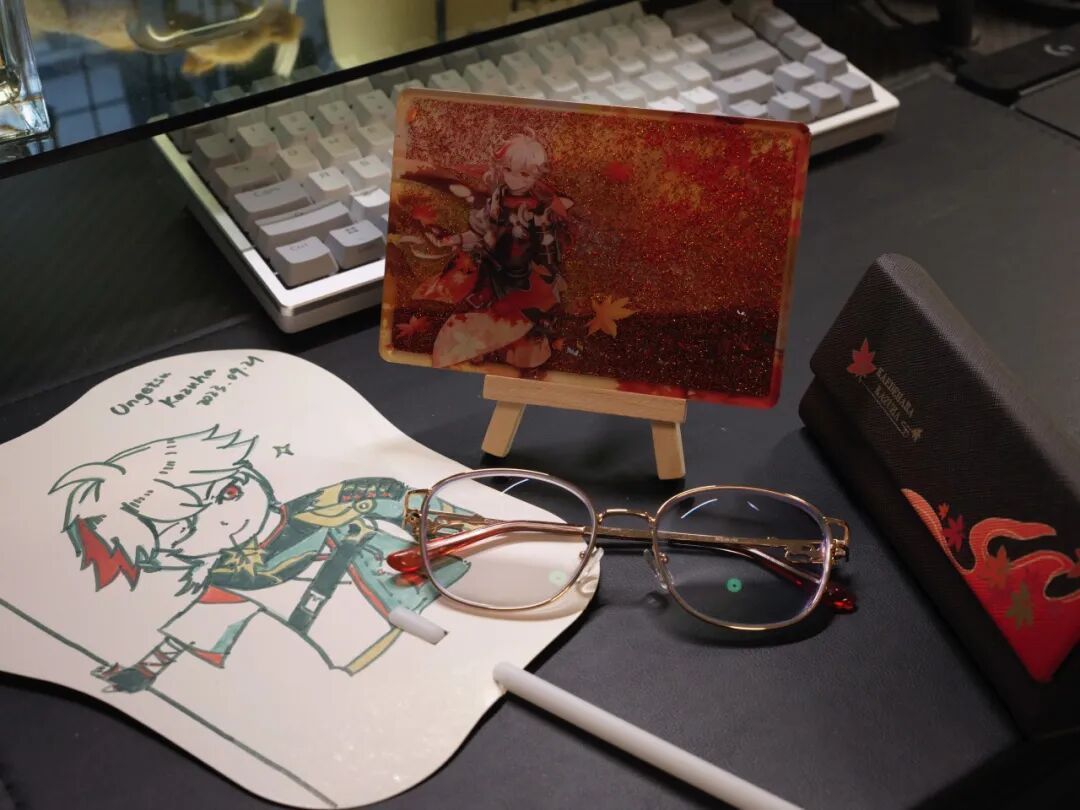
Before the interview call came, I wrote a passage on my Moments that struck a chord with many friends:
“My own career exploration has moved step by step from finance toward games, and in the course of it I became certain that the games industry would be my sole direction. As the ninth art, games are another aircraft carrier of the cultural field, carrying meaning beyond the products themselves; the cultural symbols and values they hold are what let me walk out of the country’s gates with confidence to spare.
“On exchange at Uchi, chatting with Japanese friends, studying in Singapore — everywhere I felt the international reach of Chinese game studios. The works of art you make in Shanghai genuinely deliver joy to players on the far side of the world; no other industry has moved me like that.”
It was my first offer of the autumn season, and the only one I wanted: the dream company, the project team that felt fated, the best-matched role, the city nearest home. All of it beautiful past believing.
In my inbox lie many emails with different résumés attached, recording the road from the first tentative try to the day the dream broke into reality — a stretch of exactly two years and eight months. Since I first entered Teyvat at the end of 2020, even while I bobbed in the tides of finance, joining the games industry had been the fragile wish I dared not say aloud. Strangely, my Moments from September to October read like a heavy, fate-charged epic of a film about that recruitment season — like Deft’s last dance at Worlds 2022. It was the one chance of my life, and mercifully I did not miss it.
Perhaps the love of games was written into my genes early. I think of primary school, every Friday at dusk, seated punctually before the computer waiting for the version update of 『赛尔号』; as a member of the “4399 strategy group” — like the Knights of the Blood in Sword Art Online — pushing at the front line to test new tactics and lines of thought, advancing every player’s exploration. Back then I often envied the designers at TaoMi, who could deliver a delightful interstellar adventure to tens of millions of children on schedule. It reminds me that children today likewise have only three hours of play, and only on weekends; we who make games carry a social duty to write, within those three precious hours, fairy tales as splendid as we can manage — rather than wielding our cheap-to-thrill, endlessly replayable PVP esports mobile titles as the single trump card of revenue.
For we are guarded from first to last by childhood: it is the loveliness of our early years that protects us worldly, seasoned adults; it is the many-sided teaching we received as children that keeps us from the wrong turn. That slender, precious thread of memory may be forgotten — but “the forest will remember everything,” and the base colors hidden deepest are enough to hold up a fragile yet resolute life.
It has been a long time since I looked toward the future with such longing. I wait eagerly to join those interesting souls in Shanghai in creating fairy tales for players of every age. These playable, touchable animated serials were my first reason for losing myself in content-driven single-player games; and these fairy tales, which only adults can read in full depth, also murmured their charge to me: do not peddle dreams for rice and salt in an industry you do not love; weigh it carefully — what did we set out for, in the first place?
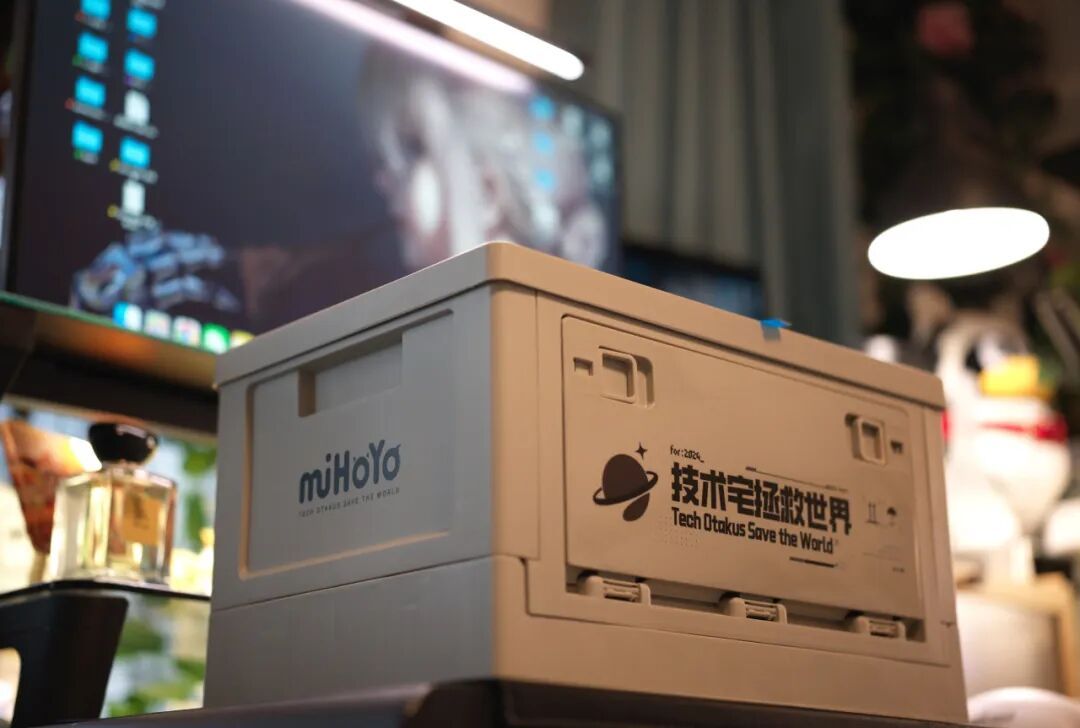
Back in China, opening with my own hands the grey-white adventure supply crate printed with “tech otaku save the world,” I could not keep a complicated smile off my mouth. I have walked a very long road, and can finally close the circle of the dream.
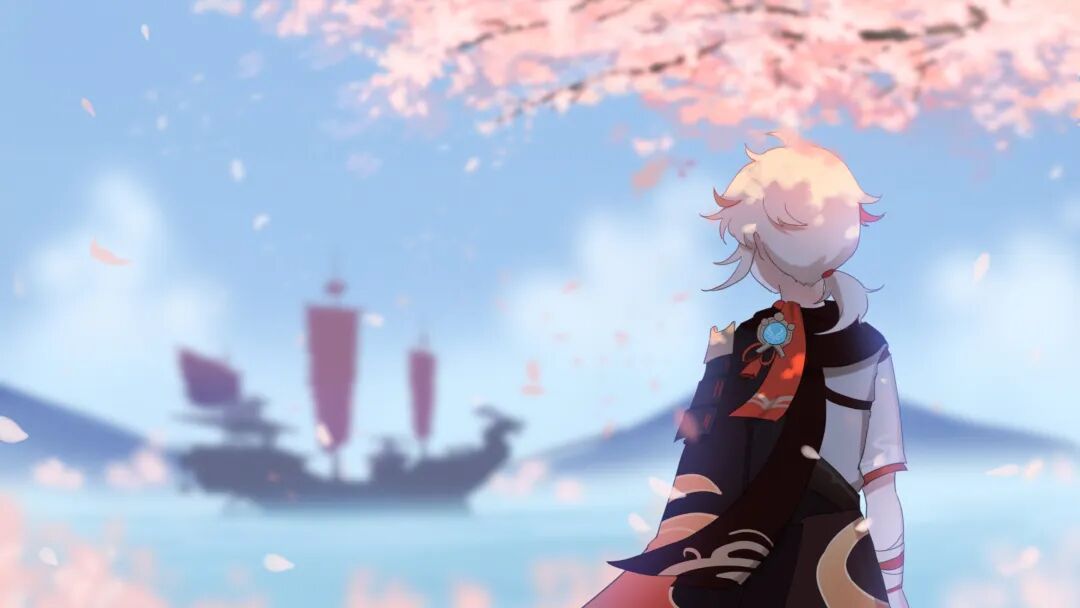
To gather the single delight of flowers and birds; to light the long road of moon and wind. Kazuha, who has wandered the four quarters, will carry the little white cat and his friend’s Vision home to Liyue at last.
Thank you — for the one dream allowed a subject.

Winter • Interlude • Past the Spring River, a Backward Glance

The close of the year kept giving me the illusion of having just finished the gaokao. The moon full at heaven’s center, wind on the water; one smile, and spring rises on the Yangtze tide. After autumn recruitment ended, Zhu Qingyu’s small tremor — “are my painted brows in fashion or not?” — dissolved without my noticing, and I grew that much more aware of the warmth of the passing years, the sunken incense of the human world’s cooking-smoke, the clean grace of the season’s things.
A dream coming true is perhaps like stars chasing moonlight — and the moonlight falling, without bias, without excess of weight or lightness, exactly in front of the stars. I have felt more adrift than in the days before: every cell abruptly slackening, a shoreless fatigue drawing out of body and mind thread by thread; neither the lightness of a great matter concluded nor days and nights of indulgence. Only, looking up at the sky, the world seems greatly changed — and I am no longer the person of five or six years ago.
With the start of my career settled, I will keep studying and reading — but no longer, as in these past years, to win an ever-floating GPA and a résumé stacked with gilt nameplates; only out of plain interest, or to feed the curiosity of my childhood. I no longer have to grind to the point of offending gods and men to earn my freedom; I can follow where the heart points and hunt the truths of philosophy. I always felt a pull of longing at the sight of wild geese calling on the wing; when freedom actually burst in around me, I was caught off guard, and more than that, overjoyed. I need not, as for decades past, walk trembling and unresting across a single-log bridge with no margin for error; I can go to clear-cut rivers and hills, to the Zen quiet of old temples, to English castles, to the blue swell of oceans — to see this world, and the interesting people who live in it.
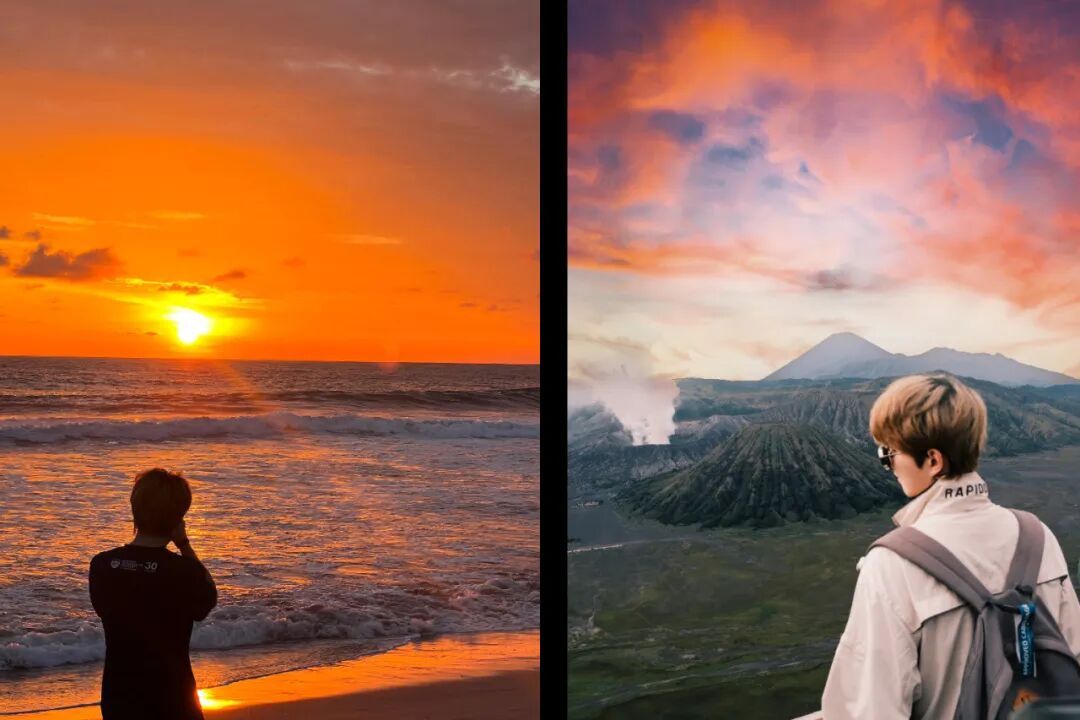
In this one-of-a-kind stretch of time I packed a bag and, for the first time, traveled alone to other countries, crossing the romance of latitude and longitude, running to orange seas of sunset. But in a strange land with no kin and no shared tongue, a sharp insecurity is hard to avoid — like a planet drifted into a star system not its own, having to relearn even its orbit and its gravity. I have always loved that faint desolation belonging to a lonely planet; last year I wrote it down as the INTJ’s instinct for escape, but now I rather think that trying to fold oneself into a wholly different culture is an essential piece of the puzzle of a life.
At the same time, I finally had the hours to fuss over a personal film library: catching up on EVA — at my company everyone is a connoisseur — finishing the high-scoring Japanese and American dramas piled up over years, and clearing, one by one, the classic PS5 single-player games bought at a discount. In those phantasmagoric worlds I saw many kinds of lives. Mr. Lin Yutang said: “Take the pleasures the present allows; make up the books a lifetime left unread.” Smiling at the endless splendor beyond the screen, I had truly come out under the clear, tall sky where birds fly as they please.
Let Mr. Hu Lancheng’s words close this section:
“It is like the spring flowers and spring willows, never blooming to an end, charming the river before them; like the cuckoo crying red over the slow water, never cried to an end; like the deep, deep courtyard of voices and swings, never lived to an end; ah — the road beyond the gate to the sky’s edge, never gazed to an end; the twelve balustrades before the tower, never leaned to an end.”

Spring • Camera Drift • May I Borrow the Heaven’s Wind to Blow It Far

Not until I saw with my own eyes my idol LKs sitting across from me, taking out that sharply-angled Hasselblad X2D that ten million followers had dreamed about, and handing it over with due ceremony to me — first stationmaster of the global Camera Drift — did I finally shake off the long unreality. In those weeks the sentence my friends heard from me most often was: “Do I even deserve this?”
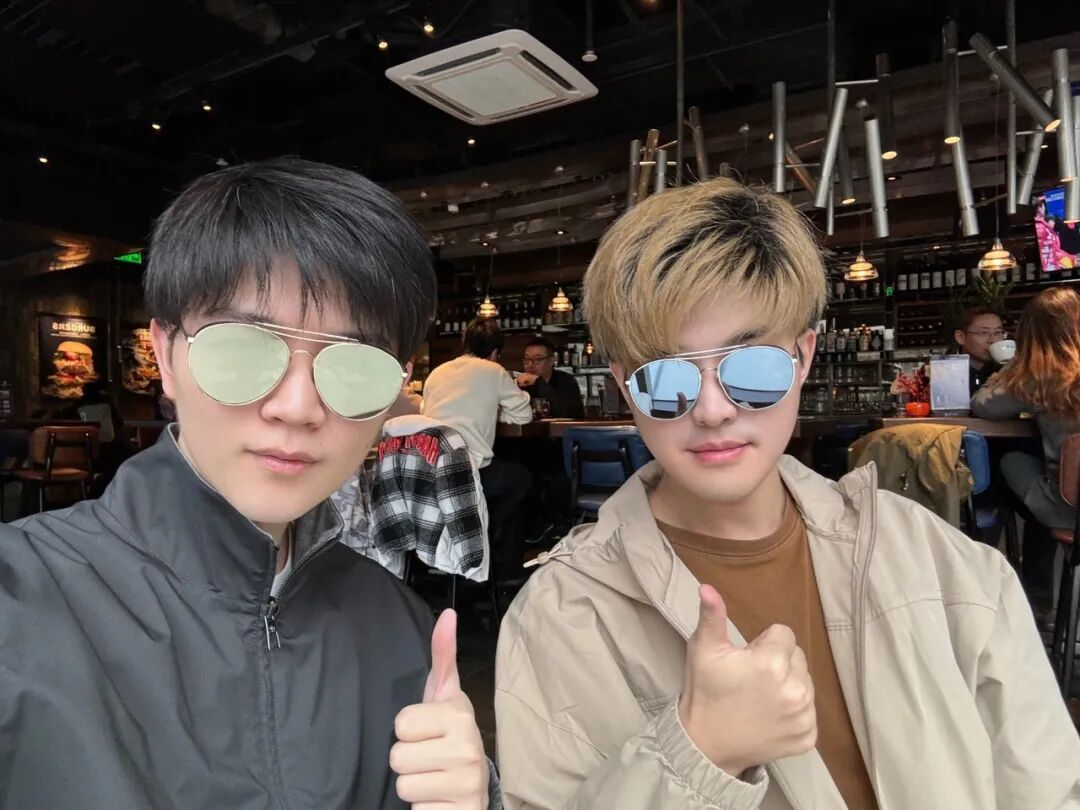
The east wind blows rain across green hills; turning, one sees the grass lie easy before a thousand gates. Photography is a branch skill I began pointing into only three and a half years ago. For the first nineteen years of my small-town-test-taker life, apart from games, writing and singing, I had almost no hobbies. Once I took it up in earnest, I started in the campus media’s photo team; my pictures ran first on the university’s official account, then in the Shandong Dazhong Daily, and then came a creative contract with VCG — in a brand-new field I loved, I had finally re-run my signature “multi-stage jump.”
Becoming a photographer changed, delightfully, the way I watch the world: I began to notice, without warning, the light, shapes, colors, textures, human traces and architecture inside my field of view — to stop walking, and press the shutter. What photography means to me is the fixing of beauty that is within arm’s reach yet beyond price: fireworks and hills and waters, clamor and silence; these vessels of beauty let the memory of important instants become permanent scenes. Two hundred years ago, such power to halt time would have been called magic; two hundred years on, photography has become a necessity by which people record their lives with feeling folded in.
A photograph’s content always matters more than its form, because meaning runs far deeper than technique; and just as time and space are relative, meaning and value are relative too — people can savor photographs from anywhere on earth by intuition alone. Perhaps this is the bond at the level of civilization, across cultural divides, that a drifting camera can offer; to take part in this planet-scale, epic social experiment as its first stationmaster means more to me than I can say.
Until last year I was, in fact, a Sony user; but having suffered the double torment of its color and its screen, I came to understand deeply that the only good camera is the one you are willing to carry every day — so I dropped Sony without a backward glance and entered the gate of Fujifilm. One statistic tells the story: in three and a half years with Sony I pressed the shutter a little over ten thousand times; in one year with Fuji I took close to thirty thousand frames. The X-T series resembles a film camera in both look and logic; turning the aperture ring, the ISO, the shutter dial, you can hear the precise contact of machined metal. This fully manual operation is a little slower, but it stills my heart like standing water, slows my steps, lets me consider — in a state of flow — the meaning of each frame. The whole experience is its own enchantment.
But alas: having felt for myself the X2D’s cold sharp touch, the medium-format resolving power that lets you shoot first and compose later, and its silken, kindly interface, I have already found storage space for my battle-hardened year-old Fuji. (laughs
A friend says these years of mine have been dreamlike to the point of unreality: bolting without regret from a quit-worthy engineering major, running without a backward glance from a minor language, switching lanes out of business school through many turns, dropping over forty jin in the gym, landing the first-choice offer in the hardest hiring season, crossing many countries with a camera, and carrying my idol’s Camera Drift commission. Between a twenty-third year not yet distant and a twenty-fourth dimly visible, I seem to have stood in the white King’s Cross of Harry Potter and the Deathly Hallows, boarding more than one steam train, living through several lives on different tracks — a winding, full-bodied proper drama.
Not long ago I ranked my top ten films of a lifetime; after careful weighing, first place belonged, unmistakably, to Makoto Shinkai’s Your Name. — an unforeseen result that made a startling kind of sense. In my second year of high school it took me a full week to digest that film’s abundance, and it became the core reason I later transferred into the Japanese major. Worth noting: only recently, grinding at the guitar, did I learn that my favorite fingerstyle solo, 《Like A Star》, drew its inspiration from that very film. Mitsuha and Taki live in dislocated, parallel time, able to meet only at twilight; under the stars, Itomori’s meteor lake mirrors the afterglow like the eye of a maker — limpid, and without one grain of pity. In my annual top-ten music lists of the past two years, that fingerstyle piece has held six seats.
I hope that this time next year, in the composer Sungha Jung’s state of heart, I can bow my head quietly and pour flowing feeling out on the strings as harmonics like stars.
Coda:
On the ordinary road of a life, where is the finish line? “Store up thirst, then dig the well; scratch in advance, then wait for the itch” — how many can manage that?
Esports novels write the championship, the embrace in the golden rain, the lifting of the light-laden cup, the victory toast of tears and laughter when one general’s name is made — and that is usually the ending. Seen from reality, it is desolate beyond words: the champions scatter to the sky’s edges, the ones who embraced no longer walk together, the cup-lifters meet blade to blade across the stage, and after that toast is drained, some are never together again.
Commemorative birthday essays write the dream fulfilled, the echo that must answer long remembering, the sweetness after a decade and more of walking on thin ice, the plain happiness after disbelief — and that too is usually the ending. Under the rolling wheel of the era’s tide, perhaps some regrets are simply owed. Yet even as everything we know moves forward, in silence or in thunder, the instant we treasure can be a personal glory, a belonging of home and country, an imperishable milestone — even a small legend handed down the years.
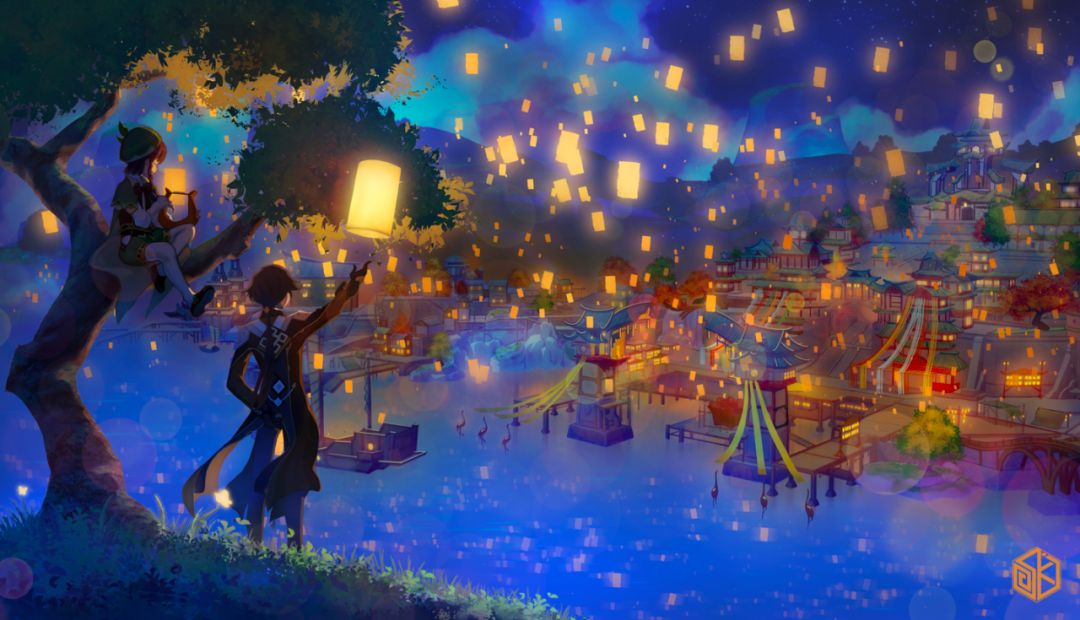
I love Zhongli’s gloss, at the Moonchase Festival of ‘21, on the two characters of “chasing the moon”:
“Raise your head to the bright moon, and every feeling is held within it. This scene, this mood, is as if the stars of heaven shone for me, and I would follow the moon’s radiance. To feel the grace of those gone; to carry the affection of old friends; to pursue the meaning of a thousand ages; to circle the city of a thousand autumns — all of these together are called ‘chasing the moon.’”
The first twenty-four years of my life are a prologue as of today — one vast chase of the moon. This journey will meet its terminus someday; there is no need to hurry.
雲月さん、二十四歳のお誕生日おめでとうございます。
First published on the WeChat column “Juanmo Xuan” (2024-03-06): original